





(Article re-posted courtesy of the Vancouver Island Real Estate Board)
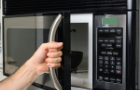
1. Turn off unnecessary lights
Two 100-watt incandescent bulbs switched off for an average of two hours per day could save you $12 over a year.
Save $12
In June 2015, 636 single-family homes sold on the MLS® system compared to 527 last month, an increase of 20 per cent. Year-over-year, sales rose 36 per cent over the 469 single-family homes sold last June. Inventory levels continue to decline in our area, with active listings down approximately 13 per cent since June 2014.
BCREA Chief Economist Cameron Muir reports that British Columbia’s economy is leading Canada, with 2.4 per cent growth expected this year. Low interest rates, confident consumers, and limited inventory in many areas are driving B.C.’s strong housing market.
“With no interest-rate hike on the horizon, we’re unlikely to see any cooling in the next couple of quarters,” says Muir. “Consumers are out buying in a big way, and there is lots of competition for available listings.”
Muir stressed that using a REALTOR® is even more vital in an active housing market to ensure you are receiving expert advice.
“When there is a finite supply of homes and high demand, a local REALTOR® has the insight and knowledge to help you make the best pricing decision when buying or selling a home,” said Muir.
VIREB President Jason Finlayson confirms that although the summer months are traditionally quieter, activity in our area shows no signs of slowing down. Even with declining inventory levels, however, the benchmark price is up just a little over four per cent from last year.
“Despite healthy sales and declining inventory throughout our area, our market is still balanced,” says Finlayson. “We see occasional multiple offers, but homes still need to be competitively priced to sell. However, if inventory levels continue dropping, we could begin to see sellers’ markets in some areas.”
Finlayson reiterates that the VIREB area offers tremendous value for buyers in comparison to many larger urban Canadian centres, so it is still an excellent time to enter the housing market.
In June 2015, the benchmark price for a single-family home in the VIREB coverage area was $335,400, up 4.24 per cent from last year. Benchmark pricing tracks the value of a typical home in the reported area. The average price was up four per cent, with a single-family home selling for $359,970 compared to $346,713 in June 2014.
The June 2015 benchmark price of a single-family home in the Campbell River area was $283,300, an increase of 6.51 per cent from last year. In the Comox Valley, the benchmark price was $334,000, up 2.89 per cent over 2014. Duncan reported a benchmark price of $298,300, an increase of 6.42 per cent over the same month in 2014. Nanaimo’s benchmark price rose 3.51 per cent to $350,200 while the Parksville-Qualicum area saw its benchmark price rise a little over four per cent to $369,800. The price for a benchmark home in Port Alberni was $190,600, down 6.36 per cent since June 2014.
VIREB cautions that average price information can be useful in establishing trends over time, but does not indicate the actual prices in centers comprised of widely divergent neighbourhoods or account for price differential between geographic areas.
Trademarks are owned or controlled by The Canadian Real Estate Association (CREA) and identify real estate professionals who are members of CREA (REALTOR®) and/or the quality of services they provide (MLS®).
]]>
|

“It will certainly help that segment of buyers because it’s well-known that it’s a challenge for those who are self-employed to qualify for a mortgage,” Davelle Morrison, a real estate agent with Bosley, told REP. “A lot of self-employed people spend a lot on expenses and don’t count income all the time so when the lenders see that, they tend to deny them.
“This rule change gives them another avenue to prove their have significant income coming in.”
Any investor looking to take advantage of this option will have to possess a Beacon score of no less than 680 while anyone who puts less than 20 per cent down will have to secure mortgage default insurance.
According to the new rules, the CMHC will consider up to 100 per cent of gross rental income from a two-unit owner-occupied property that is the subject of a loan application submitted for insurance. The annual principal, interest, municipal tax and heat for the property, including the secondary suite must be used when calculating the debt service ratios.
]]>Last month, 431 single-family homes sold on the Multiple Listing Service® (MLS®) compared to 405 in September 2014, an increase of six per cent. Month over month, sales decreased by 1.8 per cent from August 2015. Inventory levels are still declining, with active listings down 15 per cent from one year ago.
In September 2015, the benchmark price for a single-family home in the VIREB coverage area was $340,200, a slight increase over August and up just under six per cent from one year ago. Benchmark pricing tracks the value of a typical home in the reported area. The average MLS® price of a single-family home decreased marginally from $352,042 one year ago to $350,626 in September 2015.
For a complete copy of the media release and stats package, click here.
]]>
The best way to start saving on your electricity costs is to get smart with how you use electricity. Make these 21 no-cost changes in your home in the next 21 days and you could save $500 or more a year, depending on a number of factors including the size of your home.
Now's the time to also join Team Power Smart and start a Reduction Challenge. If you can deliver on most of the 21 changes below, you could reduce your electricity use by 10% over the year and earn a $50 reward.
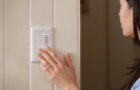





Fixing a hot water leak in your faucet can save up to $33 per year in energy costs. Learn how to fix that leak.
Save $33
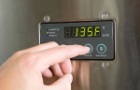






Promote airflow through your home and block the afternoon sun. Even if you’re only cooling your house three months a year, you could save you up to $10 (2 fans) or $45 (1 window unit AC) over those three months.
Save $45






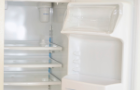
Unplug that second fridge and save up to $90 a year. Need to keep drinks or snacks cold for a party? Freeze plastic jugs of water – remember, a full freezer is more efficient than a near-empty one – and use them in a cooler when you need them.
Save $90

BC Hydro offers information on how to take advantage of using electricity smartly around your home https://www.bchydro.com/powersmart/residential.html
]]>
 It seems the preditions are for the residential sales in the province of British Columbia are expected to edge back 6.3 percent to 96,100 units in 2016. Home sales suprassed the 100,000 unit threshold for only the third time on record last year, as strong market fundamentals and elevated consumer confidence charged demand. Contact Jackie Wood for further details.
]]>

The renovation business is booming. Everyone is renovating, which is one of the reasons it’s so tough to find a good contractor.
Magazines and television shows inspire people to renovate. Home-improvement stores are full of great products and offer easy financing and seminars for homeowners. No wonder everyone wants to improve their home—I heard recently that about 10% of Canadian homeowners are planning a home renovation.
Since the average home renovation in this country costs about $15,000, there’s a lot of money involved—from contractors and subtrades, to paint, tools, flooring, lumber, hardware, appliances and a ton of other building supplies.
Why Are You Renovating?
Renovations increase the value of your home, but you need to think about why you’re doing it. Is it to improve your home so you can enjoy living in it, to save money by adding energy efficient windows or insulation, or is it to make money?
A lot of people renovate for profit—and this can be a big mistake, because they often spend their budget on things like finishes and decor, and don’t even think about what holds their house together, and keeps it dry, safe and standing.
Is It a Flip?
Some houses are renovated so they can be ‘flipped’ for a profit. I love to renovate houses—I love to help people improve their houses, to make their dreams come true. And I think a lot of flips are not done well.
In my experience, a lot of people who do this are only interested in how the project looks—in order to maximize their profit, they do cover ups--lipstick and mascara—and then move on, with a tidy profit, leaving the sucker who bought their house with a big problem. One they might not even know about for years.
Nobody wants their renovation to bring the value of their house down. Obviously you want your house to look good, and later when it comes time to sell it, it’s nice to make a profit. But, if you’re renovating with an eye to selling, make sure you aren’t just covering up problems. Fix what needs to be done right, take care of the basics like plumbing, electrical, HVAC, and insulation. Make the house better than it was when you bought it. Then once you’ve done that, make it look good.
Where Should You Put Your Money?
Kitchen and bathroom improvements increase the value of your house more than most renovations and offer the highest average return on investment.
The kitchen is the heart of a home—people gather and spend a lot of time there, so renovations that improve the kitchen are a good idea. Adding living space—either by finishing an unused basement or putting an addition on your home is the second most popular reason to renovate.
Exterior projects make up almost 40% of renovations and can include jobs like roofing, deck or patio installation, siding, foundation work, landscaping, fencing, garage building, exterior painting, sidewalk or driveway work, and gutters or eavestrough improvements.
With some renovations, you’ll make back what you spend on the upgrades, plus a profit when you go to sell. But that’s assuming the work is done well by a skilled contractor, using quality workmanship and materials. A bad job might reduce the value of your home.
Cosmetic or Practical?
It doesn’t make me happy, but not every renovation you do on your house will give you the same return on investment if you’re doing it to sell. You might replace your roof and windows and fix the foundation—and that’s the right thing to do. Practical renovations are smart and the best to invest in for the long term.
Unfortunately a lot of homebuyers don’t get that excited about these very important points—but a new granite countertop and stainless appliances will impress them every time.
I think that the best reason to renovate your home is to enjoy it. Your home is not just an investment. If you are renovating to sell, use quality materials and hire professional skilled people to do the job right.
Make sure you talk to your agent before you decide to do a renovation for selling your home to make sure it will be worth your while.
The topic of this video is what sellers and salespeople need to disclose when selling properties. Watche the video or read the text it's the same information.
Here are 4 key lessons to remember:
Patent or visible defects do not need to be disclosed
If you can see a defect during a typical home inspection, it does not need to be disclosed by a seller. This can include a crack in a window, mirror or kitchen counter, a stain under the bed or damage to a wall behind a picture. The lesson is to be more diligent when inspecting a property before signing any agreement in the first place. Do not be shy about lifting small appliances from the kitchen counter or area rugs and try to make sure all windows actually open properly.
Latent or hidden defects need to be disclosed by the seller
Latent defects are defects that a home inspector could not see during a typical home inspection. If a seller knows about a material latent defect and does not disclose it, a buyer can sue the seller even after closing. Examples include water damages that have not been properly repaired, whether from the roof or basement, smoke damages from a fire, mold behind the walls, underground fuel tanks or foundation problems. If a buyer can demonstrate after closing that the seller must have known about the issue, they can be successful in taking legal action after closing. Buyers should be advised to conduct an insurance search against any property to see if a prior insurance claim was made by a previous owner.
Psychological stigmas do not have to be disclosed
Although the law is evolving, sellers do not have to disclose whether there has been a murder or suicide on the property or adjoining property or whether a pedophile lives on the same street. As this will likely matter to most buyers, google the property address to see if anything comes up, visit websites such as housecreep.com to see if there were any stigmas reported on the property and consider putting a clause right in the offer whereby the seller represents and warrants that to the best of their knowledge, there has been no murder or suicide on the property. Sellers must respond truthfully to this statement.
Be wary of sellers who ask you not to disclose
In my experience, sellers who request that you not disclose something that you believe should be disclosed are the same sellers who will try and blame you for anything that goes wrong or try and avoid paying commission if they can. In the circumstances, try and obtain written instructions from the seller lawyer for any matter that they do not wish to be disclosed and then also consult with our office if you have any further questions.
I would like to thank Mark Weisleder a Partner, author and speaker at the law firm Real Estate Lawyers.ca LLP. Contact him at mark@realestatelawyers.ca or toll free at 1-888-876-5529. He has shared this information in our real estate newsletter and I think he did a great job at explaining the responsibilities of disclosing information, well done Mark.
Vancouver, BC – February 15, 2017. The British Columbia Real Estate Association (BCREA) reports that a total of 4,487 residential unit sales were recorded by the Multiple Listing Service® (MLS®) in January, down 23 per cent from the same period last year. Total sales dollar volume was $2.79 billion, down 36.5 per cent from January 2016. The average MLS® residential price in the province was $621,093, a 17.5 per cent decrease from the same period last year.
“Housing demand across the province returned to long-term average levels last month," said Cameron Muir, BCREA Chief Economist. "However, regional variations persist, with Victoria posting above average performance and Vancouver falling below the average."
“A marked decrease in the average MLS® residential price is largely the result of relatively more home sales occurring outside of the Lower Mainland," added Muir.
Home sales from Vancouver fell from 43 per cent of provincial transactions in January 2016 to 35 per cent last month. In addition, fewer detached home sales in Vancouver relative to multi-family units has skewed the average price statistic down in the province's largest urban area. In contrast, the MLS® Residential Benchmark Price in the Real Estate Board of Greater Vancouver area has declined 3.7 per cent over the past six months, but is up 15.6 per cent from January 2016.
Information Courtesy of
|
Cameron Muir |
|
Chief Economist, BCREA |
What does this new political landscape mean for real estate in BC?
Before we get to a new government, Premier Clark will call the legislature together for a confidence vote (in which all MLAs will vote on whether they support the Liberal government continuing), probably before the end of June, and she fully expects to lose this vote. At that point, the Lieutenant Governor will be able to ask the NDP and Green parties to form government. It’s not yet known when that new government would call the next legislative session or deliver their proposed budget.
The joint agreement signed by the NDP and Green parties reiterates an election promise both made to take action on real estate speculation and fraud. BCREA continues to advocate for a fair and balanced approach to regulating real estate practice, highlighting the work REALTORS® and real estate boards have already done on this file.
The joint agreement also emphasizes increasing the supply of affordable housing. BCREA has made several recommendations on key ways to increase supply, including gently densifying urban areas and ensuring local governments levy appropriate fees for developers (more information: www.bchousingaffordability.ca).
Read the full article here:
]]>
No matter how gorgeous your home is, it could contain an item or two that happens to scare the pants off anyone who walks through your door. That might not be a problem if you don't like guests, but it could very well be a big problem if you're trying to sell your place!
https://www.realtor.com/advice/sell/frightening-things-in-homes-for-sale-that-scare-buyers
]]>
Home buyers often start their search with a long list of must-haves ... only to find they need to whittle it way down once they see what's within reach. Unless you're a bazillionaire, it's impossible to check all those boxes on the wish list. So, how do buyers decide what pieces of their dream (home) they're willing to hack off?
Imagine a triangle with price, location, and size/style/upgrades at each point. In most cases, you will have to be ready to give up on one of those three, says Dana Gonzalez, a Realtor® in Denville, NJ. “Expect to compromise. If you get 80% of what you want, you're lucky."
We asked experts to name some common concessions and offer words of wisdom—or warning—on how those trade-offs can play out.
It's one of the first thing agents say their clients are willing to budge on.
“While they might want to find a home that is within walking distance to the downtown area with shops, restaurants, and public transportation, buyers do not want to compromise on their living space," says Suzy Minken, a Realtor in Short Hills, NJ. “After all, they live in the home. Sometimes these homes are too small to fit their lifestyle needs, or the larger in-town homes are simply above their price range. So the dream of a walk-to-town location very often will get removed from a buyer’s must-have list."
But not everyone is adamant about doing everything they can to keep from downsizing. After all, if you're willing to skip that guest room, playroom, or dining room, you may be able to stay within your budget andlive in a nicer neighborhood, points out Daniel Blatman, a Realtor in Manhattan, NY.
“Sometimes the reward is not paying long term for family and friends to be able to stay in your home," he says. So, if you're hoping to discourage the in-laws from spending three weeks with you each summer, this compromise could work out for the best!
But, real estate agents warn, if your space needs might grow in the near future—say, if your family is expanding—you might want to think twice before moving into a tight squeeze.
Plenty of buyers fantasize about landscaping a sweeping garden, or at least having an outdoor pool or hot tub—until they see what they have to shell out (or give up) to get it.
“When it comes to describing their dream home, buyers frequently say they want a large backyard," Minken explains. “After seeing lots of places, however, buyers realize that the size of the backyard is not as important as the spaciousness of the interior of the home.
“When I ask my home buyers to qualify what they mean by a ‘large' backyard, the answer is almost universally the same: ‘large enough to fit a swingset.'" And that's not exactly football field-size. “So that means they have more homes to choose from, especially when inventory is low."
That said, house hunters are more stubborn when it comes to the terrain itself.
“They prefer a flat backyard to enjoy with their family and friends," Minken says.
“For the first-time home buyers who are moving from an urban area to the suburbs, it often comes as a surprise that not all homes have a two-car garage," Minken says. “Older homes, built in the early 1920s and 1930s frequently do not. While there are homes that do not have a garage at all—and these homes are a much harder sell—buyers will compromise and buy a home that has a one-car garage if the home meets the other items on their must-have list."
Buyers are often flexible on the type of garage as well. Some garages are detached, which means that buyers can’t enter directly into the home from the garage—helpful during inclement weather. And some single-car garages are attached to the house, but—surprise—there is no entry from the garage into the house.
So, you've always pictured yourself in a Craftsman bungalow, until you saw the asking price. If you suddenly find yourself smitten with a Cape Cod, it's OK; you're not alone.
“Whether it be the architectural style of the house or type of kitchen counters, those things are one of the first things mentioned when clients tell me what they want," notes Amber Dolle, a Realtor in Sherman Oaks, CA. “But when compromises have to be made and they've had time to look at homes for a bit and consider their budget, the home's aesthetics usually are the thing they choose to overlook."
Courtesy of | Mar 3, 2016
]]>Removing dog smells from a home is a challenge all dog owners have to face at some point. Because dogs smell like, um, dog. But rather than relegate your beloved four-legged family member to an outdoor canine cabana 24/7, there are other things you can do to rid your home of that doggy funk.

First, you need to get to the bottom of what’s causing that malodor. According to PetMD, a dog’s skin produces an oil that’s an important part of a healthy animal—but alas, it has a distinct (and not always pleasant) scent.
Regular bathing and grooming should keep this odor to a minimum. But if that doesn’t seem to do the trick, your pup might have a skin or dental infection, which is causing him to smell less than fresh.
So if you suspect that the odor has gone beyond regular dog musk, it might be time to see the vet to rule out bigger issues.
Once you’ve eliminated the possibility of a medical condition causing your eau de dog aroma, it’s time to look at solutions that will have your home smelling great (or at least not like a kennel) again. The cost of these remedies ranges from peanuts to pricey, so depending on your budget and your desire to banish that scent with minimal effort, there’s a product out there that will meet your needs.
Cleaning expert and dog owner Leslie Reichert, aka The Green Cleaning Coach, shares her routine on how to get rid of dog smells in the home:
Liberally sprinkling baking soda, a natural odor eliminator, on your furniture or carpet and allowing it to sit overnight is a great first step to neutralize dog smells. Plus, it’s completely safe for your fur baby.
Another option is to look to your bar cart. Reichert advises spraying areas where dogs lie with vodka. Really?
“Yes, vodka will remove the dog smells when it evaporates. I do this three times a week,” she says.
How much should you use? “Just a spritz,” she recommends.

When you’re dealing with stubborn dog odor, you want something that will absorb the smell, not mask it. Reichert recommends Fresh Wave Continuous Release Odor Eliminator (Amazon, $39.03).
Made from extracts of soy, lime, pine needle, aniseed, clove, and cedar wood, Fresh Wave odor-removing gel is both biodegradable and nontoxic. Best of all, “it’s an odor neutralizer,” Reichert says, “not a cover-up.”

If you want more of a spot-cleaning spray, Reichert recommends the Citrus Magic Pet Odor Eliminator (Amazon, $9.40), which neutralizes the strongest pet odors on contact. Thanks to a blend of vegetable enzymes, its nonstaining, noncorrosive formula can be used on any surface, including … wait for it … your dog’s coat.
Article courtesy of
Liz Alterman is a writer who's covered a variety of subjects, from personal finance issues for CNBC.com to career advice for The Muse.
]]>
The advice to prospective sellers is not to delay listing their homes until the spring, the current inventory of homes in the Cowichan Valley/Duncan and areas around is low making it currently a sellers market, but as we all know that it cannot continue indefinitely.
On a seasonally adjusted basis, VIREB had its busiest December on record, with 667 housing units changing hands last month.
Sales of single-family homes increased by 35 per cent from December 2016. Annually, 5,612 single-family homes sold on the MLS® System in 2017 compared to 6,059 the previous year, a decrease of seven per cent. However, this reduction reflects the market returning to more normal levels from the unprecedented sales activity generated in 2016.
Inventory of single-family homes dropped to 762 in December, the lowest recorded since VIREB began tracking inventory in 1999. The supply of apartments and townhouses dipped by 13 per cent and 33 per cent, respectively.
The December 2017 benchmark price of a single-family home in the VIREB area reached $466,400, up 17 per cent from one year ago. Apartments and townhouses also recorded higher benchmark prices in December, up 28 per cent and 23 per cent.
]]>]]>

Look familiar? The priciest property sold last week was previously a BCBusiness Big Fat Deal
In Metro Vancouver, there are a handful of neighbourhoods that command ultra-high prices of $10 million and up. Kitsilano is one of them—last week, a single-family home sold for $15.5 million, according to data analyzed by Vancouver-based Zolo Realty on behalf of BCBusiness.
Built in 1996, this four-bedroom, five-bathroom house sat on the market for 212 days before selling for 87 percent of list price. The property is just minutes from the Kitsilano pool and across the street from the beach and the ocean, with stunning water views.
https://www.bcbusiness.ca/The-highest-and-lowest-priced-homes-sold-in-BC-October-20-to-26
]]>
|
|
During the last five to six weeks, Realtors across Canada have been adapting to this new “normal” and are pondering what’s to come post COVID-19. What will the market do when all of this is said and done? What will post-quarantine life look like?
We have compiled a list of some burning questions that real estate professionals all over Canada are thinking about, along with some insights, tips and perspective.
What exactly is “normal”? Are we talking about life as it existed pre-pandemic? Or are we talking about a “normal” market? When it comes to the market prior to COVID-19, was it normal to list a home, be presented with over 10 multiple offers, hold them back and present them in one day? Was it normal that homes were selling for 150K over asking price?
When the pandemic comes to an end, there will likely be a new normal – both in life and within the real estate market. Showing homes virtually and touring homes online may become the new norm; buyers may not tour eight to 10 homes with their Realtor on a Sunday afternoon.
What we know now is that the Canadian government is focusing on containing the spread of COVID-19 and is mitigating the risk and impact of the coronavirus by implementing social distancing. How this plays out when it is over is unknown, and it is hard to predict when this will be over, or how things will transpire.
At this moment, we are seeing movement in the market. Buyers who need to buy are still going to buy. Sellers who need to sell are still going to sell. However, the process has changed. We are going to see a shift in supply and demand (of course – we are experiencing a world pandemic and people aren’t leaving their homes).
When it comes to pricing a home, a common strategy in hot markets over the last while was listing lower, which would result in multiple offers. Now, we may see a modification in strategy where homes are listed at a price that the seller is content with and will be accepting offers at any time and not on a specified date. Sellers who need to sell will need to change their selling strategy and their agents will need to advise them. It is not about the game – it is about urgency. Under-listing properties and holding back offers is not the name of the game anymore.
How many buyers will go on multiple tours once this is over? We don’t know for sure but we may see a change in behaviour and best practices. Let’s ask this question: was it normal process to go and tour nine to 10 properties at once? Was that the most effective process to buy a home? Process may shift – buyers may tour multiple listings virtually, and Realtors will spend more time getting to know their clients and what they want and presenting them with one or maybe two homes to physically tour.
We may therefore in fact see fewer physical viewings in the future – but more serious ones.
We did not know we would be in this global pandemic – and we do not know how the market is going to be affected post-pandemic.
It is, however, important to talk about what is happening now. Advise clients on what they can do now. Advising your clients based on projections and predictions can be dangerous.
I just wanted to thank Marly for this article and hope she is ok that I shared this.
]]>Last month, 302 single-family detached properties (excluding acreage and waterfront) sold on the MLS® System compared to 226 in December 2019 and 421 in November 2020.
In the condo apartment category, sales rose by 94 per cent year over year and 16 per cent from November. Row/townhouse sales increased by 61 per cent from the previous year but dropped by 41 per cent from November.
As reported in previous media releases, low inventory continues to be the primary reason behind the weaker sales posted in November and December. The buyers are there, but the listings are not.
Active listings of single-family detached properties were 421 in December compared to 541 in November, a 22 per cent decrease and the lowest number on record. There were 232 condo apartments and 119 row/townhouses for sale last month, down 24 per cent and 17 per cent, respectively, from November.
The benchmark price of a single-family home hit $546,900 in December, a five per cent increase from the previous year. The benchmark price of an apartment reached $312,000, an increase of four per cent, while the benchmark price of a townhouse rose by 10 per cent year over year, climbing to $450,100.
For additional information, please refer to our comprehensive stats package here.
]]>Here are some tips for buyers:
1. Understand the risks of a subject-free offer and learn what you can do to make it a little less risky.
It is important to understand what the conditions are and how important they are. When buyers view a property, they get excited about it, their judgement may get skewed and poor decisions can be made. Understanding the risks before they get emotionally invested in a property helps buyers ensure they do their best possible due diligence by using a trusted advisor to help mitigate a stressful situation.
2. Be realistic about what you can afford
It is a realtors role to know their clients and act in their best interests. This means helping buyers understand current market realities so they can make informed decisions and set realistic expectations. This is why it is so important to have a lender or mortgage broker pre-approve buyers to determine what they can afford, make sure their ducks are in a row to confidently make an offer. Buyers should also remember to keep track of ancillary costs in a transaction.
3. Ask questions to ensure you're comfortable with the offer strategy
When a listing agent and their seller sets a listing price it can be challenging to determine an appropriate asking price based on recent sales of similar properties. A buyers agent will also run the numbers to provide information to assist buyers in making an informed decision. This is where an experienced realtor can help.
4. Be prepared to be in a multiple offer scenario and learn what you need to know
Ensuring buyers involved in multiple offer scenarios know what to expect to help the process go smoothly and avoid unexpected disappointment. In addition to making sure clients understand the practicalities of a particular multiple offer scenario (for example, whether offers will be delayed for presentation, whether bully offers will be considered or if there are any terms attractive to the seller), it's important that buyers and sellers understand that Realtors have fiduciary duties to the client they represent and how this impacts the information shared during a multiple offer scenario. It is also helpful to ensure clients understand that Realtors must follow the Real Estate Rules, REALTOR® Code and Board Regulations when it comes to the offer process and multiple offers.
These tips are a start to the importance of setting expectations and managing the risks. Find a realtor that knows all the options to help you navigate the current heated real estate market.
]]>
Agency: a type of relationship where the agent has the authority to represent and act for the consumer in dealing with others.
Client: the principal who has engaged the real estate professional to provide real estate services to or on behalf of the principal.
Conflict of interest: a situation where there is a substantial risk that the agent’s representation of a client would be negatively affected by the agent’s own interests or by the agent’s duties to another current client, a former client, or a third party.
Confidential information: any information about a consumer that is not available to the public. This can include the consumer’s finances, personal situation, motivations or needs.
Fiduciary - adjective LAW (as per the Cambridge Dictionary)
relating to the responsibilities of a person or organization that manages property or money belonging to another person or organization:
Fiduciary Duty Pertaining to Real Estate:
This fiduciary duty requires that the agent act in the principal's (client's) best interest at all times. A fiduciary is someone who must maintain high standards of care for an individual's person, property, or finances. Fiduciaries include estate executors, real estate agents, physicians, attorneys, and financial advisors, all of whom are obligated to act in the best interests of their clients.
Non-client/unrepresented party: a party to the trade in real estate who is not a client of a real estate professional.
Trading Services: means any of the following services provided to or on behalf of a party to a trade in real estate:
(a) advising on the appropriate price for the real estate;
(b) making representations about the real estate;
(c) finding the real estate for a party to acquire;
(d) finding a party to acquire the real estate;
(e) showing the real estate;
(f) negotiating the price of the real estate or the terms of the trade in real estate;
(g) presenting offers to dispose of or acquire the real estate;
(h) receiving deposit money paid in respect of the real estate
]]>
|
|||||||||||||||||||||||||||||||||||||||||||||||||||||||||||||||||||||||||||||||||||||||||||

The predominant theme running through the housing market in the Vancouver Island Real Estate Board (VIREB) area is one of “different month, same issues.”
By category, 398 single-family homes sold in October, a 23 three per cent decrease from one year ago. There were 122 condo apartment sales last month, a six per cent decrease from October 2020. In the row/townhouse category, 88 units sold compared to 98 the previous October. However, there is little doubt that a dearth of active listings is causing the sales decline.
Buyers continue to face frustrating hurdles caused by historically low inventory, with little relief in sight. Active listings of single-family homes were 46 per cent lower last month than in October 2020 and dropped by 18 per cent from September. VIREB’s inventory of condo apartments declined by 63 per cent from one year ago and was 26 per cent lower than in September. However, there was some positive news for townhouse buyers. While active listings in this category dropped by 39 per cent year over year, inventory increased by 13 per cent from September.
In its most recent housing forecast, the British Columbia Real Estate Association (BCREA) stated that the supply situation is especially severe in markets outside the Lower Mainland, including Vancouver Island. Listings activity has been lacklustre, and even if sales come back down to long-run average levels, total listings would need to nearly double to bring markets back into balance. The road to doubling those listings lies in increasing the housing supply.
“Unless demand drops significantly or more inventory comes online through new construction, VIREB’s inventory situation likely won’t improve,” says Ian Mackay, 2021 VIREB President.
Mackay welcomes the news that the Government of British Columbia is giving local governments more tools and powers to simplify and speed up their development approvals processes, helping to build the homes people need more quickly.
“Real estate is all about supply and demand. New construction isn’t a quick solution, but it’s the only one that can address the housing shortage, and, hopefully, temper prices,” said Mackay.
The board-wide benchmark price of a single-family home reached $757,300 in October, up 31 per cent year over year. In the apartment category, the benchmark price hit $397,200 last month, a 30 per cent increase from October 2020. The benchmark price of a townhouse was up by 34 per cent year over year.
In Campbell River, the benchmark price of a single-family home hit $663,000 in October, up by 29 per cent from the previous year. In the Comox Valley, the year-over-year benchmark price rose by 31 per cent to $779,000. The Cowichan Valley reported a benchmark price of $756,900, an increase of 30 per cent from October 2020. Nanaimo’s benchmark price rose by 28 per cent, hitting $755,500, while the Parksville-Qualicum area saw its benchmark price increase by 34 per cent to $887,300. The cost of a benchmark single-family home in Port Alberni reached $504,000, a 36 per cent year-over-year increase. The benchmark price for the North Island rose by 55 per cent, hitting $418,800 in September.
Please note: The Vancouver Island Real Estate Board (VIREB) transitioned to a new MLS® System in July 2020 and now uses a significantly different data model, which has affected our categories and terminology. For the boardsupplied graphs, single-family is now referred to as single-family detached, apartment as condo apartment, and townhouse as row/townhouse, which now includes patio homes. However, when reporting HPI numbers, VIREB still refers to single-family, apartment, and townhouse in the media release.
]]>Active listings in the Vancouver Island Real Estate Board (VIREB) area continue to drop, with demand far outpacing supply. Inventory has hit consecutive historical lows for several months running.
Active listings of single-family homes were 44 per cent lower last month than in November 2020 and dropped by 24 per cent from the previous month. VIREB’s inventory of condo apartments declined by 69 per cent from one year ago and was 23 per cent lower than in October. Row/townhouse inventory dropped by 55 per cent year over year and was 47 per cent lower than the previous month.
By category, 353 single-family homes sold on the MLS® System in November, a 16 per cent decrease from one year ago. There were 110 condo apartment sales last month compared to 107 one year ago and 122 the previous month. In the row/townhouse category, 98 units sold compared to 90 the previous November and 88 in October 2021.
According to the British Columbia Real Estate Association, the supply situation is especially critical in markets outside the Lower Mainland. One of the worst inventory situations is on Vancouver Island. Even if sales were to return to long-run average levels, total listings would need to nearly double to achieve a balanced market, and the road to doubling those listings lies in building more homes.
VIREB welcomes the news that the Government of British Columbia is giving local governments more tools and powers to simplify and speed up their development approvals processes. The changes announced by the government include removing requirements for local governments to hold public hearings for development proposals that already align with Official Community Plans and equipping municipal staff to make decisions for minor development variance permits.
“Increasing housing supply isn’t a simple solution. It requires a coordinated effort from all levels of government and adequate incentives for municipalities to take action,’ says Ian Mackay, 2021 VIREB President. “Homes need to be built in a reasonable time frame at a reasonable cost, and it cannot continue to take years to get a development off the ground. The public also has a role to play in being open to gentle densification in some areas.”
Naturally, the tight housing market is affecting prices in the VIREB area. The board-wide benchmark price of a single-family home reached $769,700 in November, up 33 per cent year over year. In the apartment category, the benchmark price hit $401,100 last month, a 29 per cent increase from November 2020. The benchmark price of a townhouse increased by 35 per cent, reaching $594,400 in November.
In Campbell River, the benchmark price of a single-family home hit $683,500 in November, up by 30 per cent from the previous year. In the Comox Valley, the year-over-year benchmark price rose by 32 per cent to $785,300. The Cowichan Valley reported a benchmark price of $770,000, an increase of 33 per cent from November 2020. Nanaimo’s benchmark price rose by 29 per cent, hitting $768,700, while the Parksville-Qualicum area saw its benchmark price increase by 35 per cent to $903,300. The cost of a benchmark single-family home in Port Alberni reached $509,100, a 40 per cent year-over-year increase. The benchmark price for the North Island rose by 51 per cent, hitting $417,700 in November.
]]>The Vancouver Island Real Estate Board (VIREB) recorded 11,045 unit sales (all property types) in 2021, close to the 12,014 and 11,341 unit sales seen in 2016 and 2017. It is a remarkable outcome notwithstanding since it occurred amidst an environment of historically low inventory. Based on buyer demand, 2021 would have likely set a historic sales record with sufficient supply.
By category, active listings of single-family homes were 47 per cent lower last month than in December 2020 and down by 26 per cent from November. VIREB’s inventory of condo apartments declined by 71 per cent from one year ago and was 30 per cent lower than in November. Row/townhouse inventory dropped by 53 per cent year over year and was 13 per cent lower than the previous month.
As for sales, 226 single-family homes sold on the MLS® System in December, a 25 per cent decrease from one year ago and down 36 per cent from November. There were 75 condo apartment sales last month compared to 124 one year ago and 110 the previous month. In the row/townhouse category, 50 units sold in December compared to 53 one year ago and 98 in November 2021.
According to the British Columbia Real Estate Association, the supply situation is especially critical in markets outside the Lower Mainland, with one of the worst being Vancouver Island. Even if sales were to return to long-run average levels, total listings would need to nearly double to achieve a balanced market, and the road to doubling those listings lies in building more homes.
2021 VIREB president Ian Mackay repeated previous calls for new measures to increase housing stock.
“Expanding inventory is the key to affordability, and it requires a coordinated effort from all levels of government and adequate incentives for municipalities to take action,” says Mackay. “The public also has a role to play by being more open to gentle densification in some areas.”
Mackay added that VIREB welcomes the news that the Government of British Columbia is giving local governments more tools and powers to simplify and speed up their development approvals processes. The changes include removing requirements for local governments to hold public hearings for development proposals that already align with Official Community Plans and equipping municipal staff to make decisions for minor development variance permits.
Regarding housing costs, the board-wide benchmark price of a single-family home reached $785,300 in December, up 34 per cent year over year. In the apartment category, the benchmark price hit $403,800 last month, a 29 per cent increase from December 2020. The benchmark price of a townhouse increased by 35 per cent, climbing to $609,300 in December.
In Campbell River, the benchmark price of a single-family home hit $689,000 in December, up by 32 per cent from the previous year. In the Comox Valley, the year-over-year benchmark price rose by 31 per cent to $800,400. The Cowichan Valley reported a benchmark price of $776,800, an increase of 30 per cent from December 2020. Nanaimo’s benchmark price rose by 32 per cent, reaching $790,000, while the Parksville-Qualicum area saw its benchmark price increase by 37 per cent to $927,100. The cost of a benchmark single-family home in Port Alberni reached $523,700, a 43 per cent year-over-year increase. The benchmark price of a single-family home for the North Island rose by 46 per cent to $424,600.
Please note: The Vancouver Island Real Estate Board (VIREB) transitioned to a new MLS® System in July 2020 and now uses a significantly different data model, which has affected our categories and terminology. For the boardsupplied graphs, single-family is now referred to as single-family detached, apartment as condo apartment, and townhouse as row/townhouse, which now includes patio homes. However, when reporting HPI numbers, VIREB still refers to single-family, apartment, and townhouse in the media release.
]]>February brought additional inventory to the table in the Vancouver Island Real Estate Board (VIREB) area. However, listings are still far below where they need to be to satisfy buyer demand.
Active listings of single-family homes were 12 per cent lower last month than the previous February but rose by 34 per cent from January 2022. VIREB’s inventory of condo apartments in February declined by 31 per cent from one year ago but increased by seven per cent from the previous month. Row/townhouse inventory dropped by 27 per cent year over year but was the same as in January (66).
By category, 360 single-family homes sold on the MLS® System in February, a 13 per cent decrease from one year ago and up by 64 per cent from January. There were 112 condo apartment sales last month compared to 128 one year ago, a decline of 13 per cent year over year but a 23 per cent increase from the previous month. In the row/ townhouse category, 91 units sold in February compared to 79 one year ago and 61 in January, an increase of 15 and 49 per cent, respectively.
The British Columbia Real Estate Association (BCREA) says that with housing markets so out-of-balance, it will take a substantial decline in demand to return active listings to a healthy state. A “perfect storm” of factors – including record-low supply, historically low mortgage rates, and lifestyle changes resulting from the COVID-19 pandemic – have resulted in dramatic price increases and highly competitive real estate transactions.
“British Columbia is in the midst of a housing crisis,” says Erica Kavanaugh, 2022 VIREB President. “Organized real estate has data-driven insights into potential solutions, which is why BCREA just released a white paper on market conditions in the province.”
In a Better Way Home: Strengthening Consumer Protection in Real Estate, BCREA presents over 30 recommendations to the provincial government on how it can protect consumers today and provide affordable housing in the future. Using extensive data and expert analysis, BCREA focuses on real-life solutions in the paper instead of ineffective and temporary demand-side fixes, adds Kavanaugh. (To read or download the white paper, visit bcrea.bc.ca/whitepaper )
“The price of a home is primarily driven by the market fundamentals of supply and demand,” says Kavanaugh. “Government interventions that only target the transaction process, such as the recently announced cooling-off period, will never be enough to make housing more affordable. The bottom line is that we need more supply.”
The principles of supply and demand are certainly fuelling VIREB’s upward trajectory of house prices. The boardwide benchmark price of a single-family home reached $822,500 in February, up 36 per cent year over year. In the apartment category, the benchmark price hit $415,000 last month, a 28 per cent increase from February 2021. The benchmark price of a townhouse increased by 34 per cent, climbing to $635,000 in February.
Price increases are even more dramatic in some of VIREB’s regions. For example, the cost of a benchmark singlefamily home in Port Alberni reached $569,800, a 53 per cent year-over-year increase. For the North Island, the benchmark price of a single-family home rose by 50 per cent to $438,100. In Campbell River, the benchmark price of a single-family home hit $699,900 in February, up by 28 per cent from the previous year. In the Comox Valley, the year-over-year benchmark price rose by 30 per cent to $820,600. The Cowichan Valley reported a benchmark price of $804,300, an increase of 29 per cent from February 2021. Nanaimo’s benchmark price rose by 38 per cent, reaching $852,800, while the Parksville-Qualicum area saw its benchmark price increase by 40 per cent to $962,200.
Please note: The Vancouver Island Real Estate Board (VIREB) transitioned to a new MLS® System in July 2020 and now uses a significantly different data model, which has affected our categories and terminology. For the board supplied graphs, single-family is now referred to as single-family detached, apartment as condo apartment, and townhouse as row/townhouse, which now includes patio homes. However, when reporting HPI numbers, VIREB still refers to single-family, apartment, and townhouse in the media release.
]]>
Inventory in the Vancouver Island Real Estate Board (VIREB) area is slowly inching up but is still far from ideal. Active listings of single-family homes rose by nine per cent from March 2021 and by 60 per cent from February. VIREB’s inventory of condo apartments in March dipped by 13 per from one year ago but increased by 28 per cent from one month ago. Row/townhouse inventory dropped by 15 per cent year over year but was up by 50 per cent from February.
By category, 528 single-family homes sold on the MLS® System in March, a six per cent decrease from one year ago and up by 49 per cent from February. There were 121 condo apartment sales last month compared to 132 one year ago, a decline of eight per cent year over year but a nine per cent increase from the previous month. In the row/townhouse category, 106 units sold in March compared to 124 one year ago, a 15 per cent decrease. However, sales did rise by 18 per cent from February.
The British Columbia Real Estate Association (BCREA) says that with housing markets so out-of-balance, it will take a substantial decline in demand to return active listings to a healthy state. A “perfect storm” of factors – including record-low supply, historically low mortgage rates, and lifestyle changes resulting from the COVID-19 pandemic – have resulted in dramatic price increases and highly competitive real estate transactions. This storm of factors is motivating some buyers to make unconditional offers, a potentially dangerous situation when making what is likely the biggest purchase of their lives.
The provincial government’s recently announced Homebuyer Protection Period is an attempt to protect consumers by introducing a five-day “cooling-off” period for real estate transactions. However, industry data indicates that it will not benefit British Columbians and could create an unequal playing field favouring buyers over sellers.
“Policy should equally protect all parties involved in real estate transactions while also contributing to a smooth-functioning market and improved housing affordability,” says Erica Kavanaugh, 2022 VIREB President. “A cooling-off period will likely increase competition for any given property, has the potential to increase prices, and doesn’t account for risks to sellers.”
Instead, organized real estate proposes a pre-offer period that would mandate a listing be available for five business days before allowing offers. The primary difference between the two recommendations is that a preoffer period is proactive, allowing due diligence before making an offer, while a cooling-off period is reactive. (For additional context, visit the website for BCREA’s white paper, A Better Way Home.)
Low inventory and high buyer demand are fuelling price increases throughout the VIREB area. The board-wide benchmark price of a single-family home reached $851,700 in March, up 35 per cent year over year. In the apartment category, the benchmark price hit $431,100 last month, a 30 per cent increase from March 2021. The benchmark price of a townhouse increased by 31 per cent, climbing to $642,200 in March.
In Campbell River, the benchmark price of a single-family home hit $722,400 in March, up by 28 per cent from the previous year. In the Comox Valley, the year-over-year benchmark price rose by 28 per cent to $838,600. The Cowichan Valley reported a benchmark price of $843,000, an increase of 34 per cent from March 2021. Nanaimo’s benchmark price rose by 38 per cent, reaching $887,700, while the Parksville-Qualicum area saw its benchmark price increase by 39 per cent to $989,800. The cost of a benchmark single-family home in Port Alberni reached $599,400, a 48 per cent year-over-year increase. For the North Island, the benchmark price of a single-family home rose by 40 per cent to $429,700.
]]>
Inventory in the Vancouver Island Real Estate Board (VIREB) area is climbing, but the housing supply is still far below the level needed to satisfy current demand.
Active listings of single-family homes rose by 34 per cent from April 2021 and by 32 per cent from March of this year. VIREB’s inventory of condo apartments was 13 per cent lower than in April 2021 but increased by 18 per cent from March. Row/townhouse inventory rose by 39 per cent year over year and 52 per cent from March.
A “perfect storm” of factors – including record-low supply, historically low mortgage rates, and lifestyle changes resulting from the COVID-19 pandemic – has fuelled dramatic price increases and highly competitive real estate transactions. However, REALTORS® have noticed that current demand is not equally distributed throughout VIREB’s zones, resulting in “micro-markets.” These pockets of heightened activity favour particular price points and property types within an area.
Demographics also play a significant role in British Columbia’s robust housing market. A large contingent of 30-39-year-olds – the largest we have seen in Canada since the 1970s – are entering their homebuying years. Intergenerational wealth transfer is helping many get onto or climb the property ladder, placing additional pressure on inventory and prices.
The increased inventory observed in April is positive news for buyers, and some REALTORS® are seeing more conditional offers, indicating that the “fear of missing out” has abated somewhat. Higher interest rates may also be tempering how much buyers are willing to spend when making an offer. However, it is too early to say whether conditions are beginning to shift towards a more balanced market. According to the British Columbia Real Estate Association, housing markets in British Columbia are so lopsided that it will take a substantial decline in demand to return active listings to a healthy state.
That said, sales did dip in April. By category, 507 single-family homes were reported sold on the MLS® System in April, a 13 per cent decrease from one year ago and down by three per cent from March. There were 114 condo apartment sales last month, a decline of 11 per cent year over year and down by six per cent from March. In the row/townhouse category, 96 units changed hands in April, down nine per cent from one year ago and nine per cent from March 2022. However, the cause behind these decreases is somewhat muddy: whether the numbers reflect “true” decreased demand or merely supply-induced buyer fatigue should become more apparent in the coming months.
As for prices, they continue to rise throughout the VIREB area. The board-wide benchmark price of a single-family home reached $881,800 in April, up 34 per cent year over year. In the apartment category, the benchmark price hit $462,100 last month, a 34 per cent increase from April 2021. The benchmark price of a townhouse increased by 29 per cent, climbing to $657,300 in April.
In Campbell River, the benchmark price of a single-family home hit $769,800 in April, up by 31 per cent from the previous year. In the Comox Valley, the year-over-year benchmark price rose by 27 per cent to $878,400. The Cowichan Valley reported a benchmark price of $871,900, an increase of 36 per cent from April 2021. Nanaimo’s benchmark price rose by 33 per cent, reaching $907,600, while the ParksvilleQualicum area saw its benchmark price increase by 38 per cent to $1,027,000. The cost of a benchmark single-family home in Port Alberni reached $615,200, a 46 per cent year-over-year increase. For the North Island, the benchmark price of a single-family home rose by 39 per cent to $437,400.
]]>
The Vancouver Island Real Estate Board (VIREB) housing market appears to be shifting amidst lighter demand and increased inventory.
Last month, active listings of single-family homes (not acreage or waterfront) climbed by 64 percent from May 2021 and 34 percent from April of this year. VIREB’s inventory of condo apartments in May was 28 per cent higher than one year ago and increased by 32 per cent from April. Row/townhouse inventory rose by 49 per cent year over year and 12 per cent from April.
The increased inventory is good news for buyers, giving them more options to choose from and easing the pressure to move too quickly when making an offer. However, the market still favours sellers, and balanced conditions seem to be some distance away. According to the British Columbia Real Estate Association (BCREA), it will take a substantial decline in demand to return active listings on Vancouver Island to a healthy state.
By category, 455 single-family homes were reported sold on the MLS® System in May, a 14 per cent decrease from one year ago and down by 10 per cent from April. There were 92 condo apartment sales last month, a decline of 38 per cent year over year and down by 19 per cent from April. In the row/ townhouse category, 103 units changed hands in May, up 10 per cent from one year ago and seven per cent from April 2022.
As for prices, they continue to rise throughout the VIREB area. The board-wide benchmark price of a single-family home reached $867,000 in May, up 30 per cent year over year. In the apartment category, the benchmark price hit $451,900 last month, a 36 per cent increase from May 2021. The benchmark price of a townhouse increased by 30 per cent, climbing to $618,900 in May.
In Campbell River, the benchmark price of a single-family home hit $776,200 in May, up by 29 per cent from the previous year. In the Comox Valley, the year-over-year benchmark price rose by 25 per cent to $910,900. The Cowichan Valley reported a benchmark price of $886,300, an increase of 35 per cent from May 2021. Nanaimo’s benchmark price rose by 29 per cent, reaching $901,400, while the ParksvilleQualicum area saw its benchmark price increase by 30 per cent to $1,002,700. The cost of a benchmark single-family home in Port Alberni reached $617,400, a 43 per cent year-over-year increase. For the North Island, the benchmark price of a single-family home rose by 36 per cent to $456,200.
Looking to the future, VIREB cautiously aligns with the BC Financial Services Authority (BCFSA) regarding its recently released report recommending a package of measures intended to enhance consumer protections in British Columbia’s real estate sector. “Consumer protection is of utmost importance to REALTORS®, and the proposed five-day pre-offer period is one of the suggested measures introduced in BCREA’s white paper, A Better Way Home,” says Erica Kavanaugh, 2022 VIREB President. “However, the success of the proposed measures hinges on the next steps taken by BCFSA and the provincial government.”
Kavanaugh adds that more time, research, and consultation with all parties involved in the real estate transaction process – including REALTORS® – are needed to ensure the nuances of such substantial changes are carefully considered, and unintended consequences on consumers are avoided.
]]>
Inventory in the Vancouver Island Real Estate Board (VIREB) area rose significantly last month, with listings of single-family homes more than doubling from June 2021. At the same time, sales dipped across the board area in most markets.
Last month, active listings of single-family homes (not acreage or waterfront) climbed by 107 per cent from June 2021 and 23 per cent from May 2022, reaching 1,204. VIREB’s inventory of condo apartments was 295 in June, 43 per cent higher than one year ago and up by 28 per cent from May. There were 222 row/townhouses for sale in June, a 60 per cent year-over-year increase and up by 32 per cent from May.
The additional inventory is a positive development for buyers, providing more options and easing the pressure to move too quickly when making an offer. Higher interest rates are causing some buyers to put the brakes on purchasing a home, and REALTORS® are seeing price reductions in the higher end of the market. However, it is too early to speculate whether VIREB’s housing market is moving towards a buyers’ or balanced market.
“While we’re happy to see more listings coming onto the system, that doesn’t change the conversations we’re having with stakeholders regarding supply,” says Erica Kavanaugh, 2022 VIREB President. “Vancouver Island has had historically low inventory for many months now, so unless demand drops significantly, it will take a lot of new housing stock to create a balanced market.”
Kavanaugh adds that if consumers are struggling with timing around whether to buy or sell in the current market, the advice of a local REALTOR® can be beneficial. REALTORS® have specialized knowledge of their communities and are equipped with sales tools, such as custom analytics, to help you develop a winning strategy for buying or selling a home.
By category, there were 408 single-family-home sales in June, a 23 per cent decrease from one year ago and down by 10 per cent from May. There were 82 condo apartment sales last month, a decline of 37 per cent year over year and down by 11 per cent from May. In the row/townhouse category, 68 units changed hands in June, down 11 per cent from one year ago and 34 per cent from May 2022.
Notwithstanding higher inventory and lower sales, prices continue to rise throughout the VIREB area. The board-wide benchmark price of a single-family home reached $865,600 in June, up 26 per cent year over year. In the apartment category, the benchmark price hit $452,600 last month, a 32 per cent increase from June 2021. The benchmark price of a townhouse increased by 25 per cent, climbing to $618,900 in June. (Please note that the MLS® HPI methodology was updated in June; a complete explanation is provided on page 2).
In Campbell River, the benchmark price of a single-family home hit $761,800 in June, up by 24 per cent from the previous year. In the Comox Valley, the year-over-year benchmark price rose by 22 per cent to $911,700. The Cowichan Valley reported a benchmark price of $884,400, an increase of 31 per cent from June 2021. Nanaimo’s benchmark price rose by 26 per cent, reaching $906,300, while the ParksvilleQualicum area saw its benchmark price increase by 24 per cent to $988,100. The cost of a benchmark single-family home in Port Alberni reached $624,700, up 36 per cent from the previous year. For the North Island, the benchmark price of a single-family home rose by 34 per cent to $478,000. Some regions in the VIREB area saw small month-over-month price reductions in June, including Campbell River, the Cowichan Valley, and Parksville-Qualicum. (Information supplied by the Vancouver Island Real Estate Board)
]]>
This video provides a simple explanation of the listing agreement that we use when listing a home in the Cowichan Valley on Vancouver Island. A full-time professional real estate agent will also be able to explain this in more detail. Please feel free to contact Jackie Wood a REALTOR® in the Cowichan Valley and the south Vancouver Island areas.

Due to a significant increase in inventory, July brought more options for buyers in the Vancouver Island Real Estate Board (VIREB) area.
Last month, active listings of single-family homes (not acreage or waterfront) climbed by 142 per cent from July 2021 and 15 per cent from June 2022, reaching 1,387. VIREB’s inventory of condo apartments hit 336 in July, 91 per cent higher than one year ago and up by 14 per cent from June. There were 267 row/townhouses for sale in July, a 107 per cent year-over-year increase and up by 20 per cent from June.
The additional inventory gives buyers more choices and mitigates the need to move too quickly when making an offer. Kelly O’Dwyer, 2022 VIREB President-Elect, notes that while sales have slowed, the tempo is more reminiscent of a typical summer market, but one the board has not seen in several years.
“While higher interest rates are certainly impacting the market, some buyers are postponing their home purchase and planning to revisit the process in the fall,” says O’Dwyer. “The pandemic threw a wrench into the real estate market, but what we’re experiencing now feels more like a typical summer.”
O’Dwyer also notes that REALTORS® are seeing price reductions on higher-priced properties, and multiple offers have decreased. Sellers may have to adjust their price expectations now that the market has shifted, although it is too early to say how long these conditions will persist.
By category, there were 297 single-family-home sales in July, a 34 per cent decrease from one year ago and down by 27 per cent from June. There were 75 condo apartment sales last month, a decline of 37 per cent year over year and down by nine per cent from June. In the row/townhouse category, 51 units changed hands in July, down 49 per cent from one year ago and 25 per cent from June 2022.
Notwithstanding higher inventory and lower sales, prices continue to rise throughout the VIREB area. The board-wide benchmark price of a single-family home reached $856,700 in July, up 22 per cent from one year ago. In the apartment category, the benchmark price hit $450,200 last month, a 26 per cent increase from July 2021. The benchmark price of a townhouse increased by 23 per cent, climbing to $624,700 in June. However, the benchmark price for the overall board area dipped by one per cent from June to July.
In Campbell River, the benchmark price of a single-family home hit $755,800 in July, up by 21 per cent from the previous year. In the Comox Valley, the year-over-year benchmark price rose by 21 per cent to $914,100. The Cowichan Valley reported a benchmark price of $879,300, an increase of 24 per cent from July 2021. Nanaimo’s benchmark price rose by 21 per cent, reaching $883,400, while the Parksville-Qualicum area saw its benchmark price increase by 20 per cent to $982,000. The cost of a benchmark single-family home in Port Alberni reached $611,800, up 27 per cent from the previous year. For the North Island, the benchmark price of a single-family home rose by 29 per cent to $478,300. Excluding the Comox Valley and North Island, all zones in the VIREB area saw small month-over-month price reductions from June to July.
If consumers are struggling with timing around whether to buy or sell in the current market, the advice of a local REALTOR® can be beneficial. REALTORS® have specialized knowledge of their communities and are equipped with sales tools, such as custom analytics, to help you develop a winning strategy for buying or selling your home. -(Information provided by the Vancouver Island Real Estate Board)
]]>
Inventory was up, and sales were down in August, reminiscent of a typical summer market in pre-COVID times.
Last month, active listings of single-family detached properties (not acreage or waterfront) jumped to 1,368, a 153 percent increase from August 2021. VIREB’s inventory of condo apartments hit 332 last month, up from 164 listings one year ago. There were 280 row/townhouses for sale last month compared to 109 one year ago.
The quieter August gave consumers and REALTORS® time to catch their breath after the frenetic pace VIREB’s housing market has been setting since 2020. Additional inventory is good news for buyers, giving them more options to choose from and easing the pressure to move too quickly when making an offer. On the other side of the transaction, sellers may have to adjust their expectations somewhat.
“After months of historically low listings, January posted a small inventory bump, and active listings have risen steadily since then accompanied by slightly lower demand,” says Erica Kavanaugh, 2022 VIREB Chair. “What we’re seeing now is more about conditions returning to what they were before the pandemic. We’ll have to see how the rest of the year shapes up to determine whether we’re looking at a more significant trend.”
Kavanaugh adds that while demand has dipped, the underlying supply issues that caused low inventory and rising prices still exist.
“The British Columbia Real Estate Association crunched the numbers and determined that it will take a substantial decline in demand to return active listings to a healthy state on Vancouver Island,” says Kavanaugh. “Province-wide, we’re dealing with decades of insufficient supply, and that’s not a quick fix.”
By category, there were 307 single-family-home sales in August, a 33 percent decrease from one year ago and up by three percent from July. There were 66 condo apartment sales last month, a decline of 33 percent year over year and down by 12 percent from July. In the row/townhouse category, 51 units changed hands in August, down 43 percent from one year ago and the same number as in July.
After a long period of steadily rising prices in virtually every VIREB region, slight month-over-month price dips began appearing in June. However, 2022 continues to post higher prices than seen in 2021. The board-wide benchmark price of a single-family home reached $842,800 in August, up 18 percent from one year ago. In the apartment category, it hit $444,800 last month, a 22 percent increase from August 2021. The benchmark price of a townhouse increased by 19 percent, climbing to $615,400 in August.
If consumers are struggling with timing around whether to buy or sell in the current market, the advice of a local REALTOR® can be beneficial. REALTORS® have specialized knowledge of their communities and are equipped with sales tools, such as custom analytics, to help you develop a winning strategy for buying or selling your home. (Article Courtesy of the Vancouver Island Real Estate Board - VIREB)
]]>
Vancouver Island Real Estate (excluding Victoria) - Last month, active listings of single-family detached properties nearly tripled from September 2021, jumping to 1,417. VIREB’s inventory of condo apartments was 332 in September 2022, up from 167 listings one year ago. There were 295 row/townhouses for sale last month, nearly tripling from the 106 reported one year ago.
Although there is still robust demand, more inventory creates breathing room for buyers and eases some of the pressure they’ve been facing when making an offer. On the other side of the transaction, sellers may have to adjust their expectations as demand is strongest for homes priced to reflect the reality of a shifting market.
“We’re still seeing multiple offers on well-priced properties, but buyers are taking more of a wait-and-see approach,” says Erica Kavanaugh, 2022 VIREB Chair. “Overpriced properties typically take longer to sell, so clients need to be realistic when listing their home. What your neighbour sold for in the spring doesn’t mean you’ll get the same amount of money now. Six months can be a long time in real estate.”
However, Kavanaugh adds that the underlying supply issues that contributed to low inventory and high prices still exist. The BC Real Estate Association (BCREA) has produced several forecasts that point to decades of insufficient supply throughout much of British Columbia, with one of the most acute inventory situations on Vancouver Island.
“We did see a small inventory bump in January, and active listings have risen steadily since then, which is great news for buyers,” says Kavanaugh. “But if demand increases again without a corresponding bump in housing supply, we could be back to the same conditions we experienced in 2021 and much of 2022.”
September saw 241 single-family-home sales, a 45 per cent decrease from one year ago and down by 21 per cent from August. There were 52 condo apartment sales last month, a decline of 57 per cent year over year and down by 21 per cent from August. In the row/townhouse category, 49 units changed hands in September, down 42 per cent from one year ago and four per cent from August.
The board-wide benchmark price of a single-family home reached $816,700 in September, up 14 per cent from one year ago but down by three per cent from August. In the apartment category, the benchmark price was $425,800 last month, a 15 per cent increase from September 2021 and down four per cent from August. The year-over-year benchmark price of a townhouse increased by 14 per cent to $597,500, but it dropped by three per cent from August.
Benchmark prices for single-family homes decreased from August to September in nearly every zone, but prices are still higher than in 2021. In Campbell River, the benchmark price of a single-family home hit $710,100 in September, up by 11 per cent from the previous year. In the Comox Valley, the year-over-year benchmark price rose by 13 per cent to $864,300. The Cowichan Valley reported a benchmark price of $838,400, an increase of 14 per cent from September 2021. Nanaimo’s benchmark price rose by 15 per cent, reaching $843,000, while the Parksville-Qualicum area saw its benchmark price increase by 12 per cent to $937,800. The cost of a benchmark single-family home in Port Alberni reached $579,800, up 18 per cent from the previous year. For the North Island, the benchmark price of a single-family home rose by 24 per cent to $487,800.
(Article courtesy of the Vancouver Island Real Estate Board)
]]>
Last month, 249 single-family homes sold in the Vancouver Island Real Estate Board (VIREB) area, a 37 percent decrease from one year ago and up by three percent from September. There were 42 condo apartment sales in October 2022, a decline of 65 percent year over year and down by 19 percent from September. In the row/townhouse category, 51 units changed hands in October, down 41 percent from one year ago and up four percent from September.
Active listings of single-family detached properties last month more than tripled from October 2021 but dipped by four percent from September, hitting 1,360. VIREB’s inventory of condo apartments was 314 in October 2022, up from 124 listings one year ago and down by five percent from September. There were 296 row/townhouses for sale last month, up by 147 percent from the previous October and virtually the same number as in September (295).
“More inventory and weaker demand mean it’s a perfect time to buy. Well-priced and well-maintained properties are still generating multiple offers and selling briskly, but the market has shifted from the heated conditions REALTORS® saw for much of the year,” says Erica Kavanaugh, 2022 VIREB Chair. “Buyers and sellers need to be realistic and flexible about prices, and a local REALTOR® can help develop
a winning strategy no matter which side of the real estate transaction you occupy.”
Kavanaugh adds that the underlying supply issues contributing to low inventory and high prices are still factors working behind the scenes; they’ve just taken a back seat for now.
“On the surface, it looks like the market is leveling out, and additional inventory is certainly good news for buyers. But active listings are still not where they need to be,” notes Kavanaugh.
In October 2013, there were 2,362 single-family homes for sale. Every year since then, except for 2018 and 2019, active listings dropped from the previous year, reaching a historic low of 394 in 2021. So, it will take a substantial decrease in demand or a significant increase in supply to achieve healthy inventory levels that can accommodate Vancouver Island’s expected population growth in the coming years.
The board-wide benchmark price of a single-family home reached $787,500 in October, up eight percent from one year ago but down by four percent from September. In the apartment category, the benchmark price was $414,200 last month, an 11 percent increase from October 2021 and down three percent from September. The year-over-year benchmark price of a townhouse increased by 11 percent to $583,900, but it dropped by two percent from September.
Benchmark prices for single-family homes decreased from August to September in every zone except the North Island. However, prices are still higher than in 2021. In Campbell River, the benchmark price of a single-family home hit $679,300 in October, up by four percent from the previous year. In the Comox Valley, the year-over-year benchmark price rose by seven percent to $829,800. The Cowichan Valley reported a benchmark price of $804,500, an increase of nine percent from October 2021. Nanaimo’s benchmark price rose by nine percent, reaching $811,200, while the Parksville-Qualicum area saw its benchmark price increase by seven percent to $913,000. The cost of a benchmark single-family home in Port Alberni reached $566,300, up 13 percent from the previous year. For the North Island, the benchmark price of a single-family home rose by 20 percent to $488,000.
(Article re-posted courtesy of the Vancouver Island Real Estate Board)
]]>
Last month, 244 single-family homes sold in the Vancouver Island Real Estate Board (VIREB) area, a 30 percent decrease from one year ago and down by two percent from October. There were 54 condo apartment sales in November 2022, a decline of 50 percent year over year and up by 29 percent from October. In the row/townhouse category, 46 units changed hands in November, down 52 percent from one year ago and 10 percent from October.
There were 1,195 active listings of single-family detached properties last month, compared to 301 in November 2021 and 1,360 in October. VIREB’s inventory of condo apartments was 286 in November 2022, up from 96 listings one year ago and down from 314 in October. There were 266 row/townhouses for sale last month compared to 64 one year ago and 296 in October.
“Our statistics indicate that active listings are nearing our 10-year average, which is a positive development and good news for buyers,” says Erica Kavanaugh, 2022 VIREB Chair. “Lack of inventory contributed to the creation of a long-standing sellers’ market that presented many challenges for our buyers, particularly those purchasing a home for the first time.”
Although the scale of year-over-year price increases has decreased, it still costs more to buy a home in the VIREB area than in November 2021. The board-wide benchmark price of a single-family home climbed to $772,800 in November, an increase of five percent from one year ago but down by two percent from October. In the apartment category, the benchmark price was $414,900 last month, a 10 percent increase from November 2021 and up slightly from October. The year-over-year benchmark price of a townhouse rose by six percent to $566,300 but dropped by three percent from October.
In Campbell River, the benchmark price of a single-family home hit $679,200 in November, up one percent from the previous year. The Comox Valley’s year-over-year benchmark price rose by three percent to $807,900. The Cowichan Valley reported a benchmark price of $793,500, an increase of five percent from November 2021. Nanaimo’s benchmark price rose by six percent, reaching $800,100, while the Parksville-Qualicum area saw its benchmark price
increase by two percent to $887,000. The cost of a benchmark single-family home in Port Alberni reached $552,200, up nine percent from the previous year. For the North Island, the benchmark price of a single-family home rose by 15 percent to $462,700.
(Article re-posted courtesy of the Vancouver Island Real Estate Board)
These changes are to help buyers in multiple offer situations where they would have the opportunity to rescind their offers within a 3 business day period. There are consequences for buyers who make an offer and decide to rescind it within the 3 day period, that is .25% of the offering price. If you want to learn more about the details I recommend reading through the resources provided by the BCFSA https://www.bcfsa.ca/public-resources/real-estate/consumer-resources/home-buyer-rescission-period-consumer-guide
]]>
Last month, 200 single-family homes sold in the Vancouver Island Real Estate Board (VIREB) area, a 10% decrease from one year ago and a drop of 18% from November. Sales of condo apartments in December came in at 35, declining by 53% year over year and dropping by 36% from November. In the row/townhouse category, 27 units changed hands in December, down 46% from one year ago and 41% from November.
Inventory continues to build over what was available in December 2021, but active listings did drop from November 2022. Year-over-year listings of single-family homes rose to 895 from 223 one year ago but dipped by 25% from the previous month. VIREB’s inventory of condo apartments was 248 in December 2022, up from 67 listings one year ago and down by 13% from November. There were 229 row/townhouses for sale last month compared to 56 one year ago and 266 in November.
“December sales activity reflected a typical end-of-year market, which is usually slower during the holiday season,” says Erica Kavanaugh, 2022 VIREB Chair. “REALTORS® are reporting that some clients are taking a wait-and-see approach, opting to wait until spring, which typically sees more interest from
buyers and an uptick in listings.”
Two notable policy changes affecting the real estate industry take effect this month, although their potential impact on VIREB’s housing market is unknown. The Home Buyer Rescission Period (HBRP) launched in British Columbia on January 3. This provincial policy gives buyers the right to withdraw from a purchase agreement within three business days of an accepted offer. On the federal level, the Prohibition on the Purchase of Residential Property by Non-Canadians Act (colloquially known as the Foreign Buyer Ban) went into effect on January 1. This legislation bans non-Canadians from buying residential property across Canada for two years. However, since foreign buyers represent a minimal component of VIREB’s market, this legislation is unlikely to have much impact on sales in the VIREB area.
Regarding prices, the board-wide benchmark price (MLS® Home Price Index) of a single-family home was $750,900 in December, down slightly from one year ago and a drop of three percent from November. (Benchmark pricing tracks the value of a typical home in the reported area.) In the apartment
category, the benchmark price was $405,400 last month, a six percent increase from December 2021 and down two percent from November. The year-over-year benchmark price of a townhouse rose by four percent to $568,000 and was slightly higher than in November.
In Campbell River, the benchmark price of a single-family home hit $661,300 in December, down two percent from the previous year. The Comox Valley’s year-over-year benchmark price dropped by one percent to $789,500. In the Cowichan Valley, the benchmark price was $752,700, a one percent decrease
from December 2021. Nanaimo’s year-over-year benchmark price rose slightly, climbing to $777,600, while the Parksville-Qualicum area saw its benchmark price drop by two percent to $878,900. The cost of a benchmark single-family home in Port Alberni reached $539,100, up four percent from the previous
year. For the North Island, the benchmark price of a single-family home rose by 10 percent to $445,900.
(Article reposted courtesy of the Vancouver Island Real Estate Board)
]]>
Deciding whether to repair or replace roofing is largely an exercise in timing — you don’t want to reroof too soon and waste money, but you don’t want to wait too long either. Read
Visit houselogic.com for more articles like this.
© Copyright 2023 NATIONAL ASSOCIATION OF REALTORS®
(if you would like more sales details please email me)

Last month, 165 single-family homes sold in the Vancouver Island Real Estate Board (VIREB) area, a 24 percent decrease from one year ago and a drop of 18 percent from December. Sales of condo apartments in January 2023 came in at 42, declining by 52 percent year over year and
increasing by 20 percent from December. In the row/townhouse category, 36 units changed hands in January, down 41 percent from one year ago and up 33 percent from December.
Inventory continues to post gains, but active listings in some categories did drop from December 2022. Year-over-year listings of single-family homes rose to 861 from 257 one year ago but dipped by four percent from the previous month. VIREB’s inventory of condo apartments was 239 in January, up from 108 listings one year ago and down by four percent from December. There were 239 row/townhouses for sale last month compared to 66 one year ago and 229 in December.
“Our statistics indicate that we’re off to a somewhat slow start, but our January sales numbers don’t reflect the activity REALTORS® are seeing on the street,” says Kelly O’Dywer, 2023 Chair. “Overall, it’s actually a great time to buy a home.”
If potential buyers are worried about more interest-rate hikes or that rates will drop after they’ve locked in, O’Dwyer reminds purchasers that they can renegotiate their rate later.
One notable policy change affecting the real estate industry is the Home Buyer Rescission Period (HBRP), which took effect on January 3, 2023. The HBRP gives home buyers up to three business days to rescind an offer on a home after the seller has accepted it.
“While the HBRP provides for a period of three business days, we’re seeing longer subject-removal periods in some cases,” says O’Dwyer. “Depending on acceptance day, and because weekends and holidays are excluded from the rescission period, our sales dates appear to be slowing, to ensure there is enough time to satisfy buyer subjects as well.”
Regarding prices, the board-wide benchmark price (MLS® Home Price Index) of a single-family home was $735,800 in January 2023, down five percent from one year ago and a drop of two percent from December. (Benchmark pricing tracks the value of a typical home in the reported area.) In the apartment category, the benchmark price was $398,300 last month, a two percent increase from January 2022 and down two percent from December. The year-over-year benchmark price of a townhouse dropped slightly from one year ago and two percent from December to $558,600.
In Campbell River, the benchmark price of a single-family home was $647,600 in January, down five percent from the previous year. The Comox Valley’s year-over-year benchmark price dropped by four percent to $784,700. In the Cowichan Valley, the benchmark price was $745,700, a four percent drop from January 2022. Nanaimo’s year-over-year benchmark dropped by seven percent to $755,300, while the Parksville Qualicum area saw its benchmark price drop by six percent to $856,100. The cost of a benchmark single-family home in Port Alberni was $518,300, down eight percent from the previous year. For the North Island, the benchmark price of a single-family home rose by two percent to $428,500.
Article Information & Stats courtesy of the Vancouver Island Real Estate Board (VIREB).
]]>Last month, there were 381 sales of single-family homes in the Vancouver Island Real Estate Board (VIREB) area, a 26 percent decrease from one year ago (515) and a 73 percent increase from February 2023 (220). Sales of condo apartments in March 2023 came in at 66, declining by 46 percent year over year and increasing by three percent from the previous month. In the row/townhouse category, 77 units changed hands in March, down 26 percent from one year ago and up by 54 percent from February.
“Sales were lower last month than at this time last year, but 2022 was an unusually robust year for the housing market,” says Kelly O’Dywer, 2023 Chair. “That said, March was surprisingly busy for many REALTORS®, and we’re seeing a lot of optimism in the market.”
Inventory is higher than in 2022 but is still below what’s needed to achieve a balanced market. Active listings of single-family homes were 963 in March, up from 552 one year ago and 937 in February. VIREB’s inventory of condo apartments hit 290 last month, up from 148 listings one year ago and 253 in
February. There were 253 row/townhouses for sale last month compared to 99 one year ago and 251 the previous month.
“We continue to see multiple offers on well-priced properties, but overpriced homes are taking longer to sell. Sellers need to recognize that their home isn’t going to fetch the same amount of money that it would have last year, but buyers shouldn’t expect prices to drop drastically,” says O’Dywer. “In fact, prices in many markets are up from February. This could indicate that they’re bottoming out, and when the market shifts – and it always does – it usually happens without much of a warning.”
Connecting with a local REALTOR® is a great way to navigate a competitive or shifting market. REALTORS® have specialized knowledge of their communities and are equipped with sales tools, such as custom analytics, to help you develop a winning strategy for buying or selling a home.
The board-wide benchmark price (MLS® Home Price Index) of a single-family home was $731,400 in March 2023, down 11 percent from one year ago and a slight dip from February. In the apartment category, the benchmark price was $405,400 last month, a five percent decrease from March 2022 and up by two percent from February. The year-over-year benchmark price of a townhouse was $563,300 in March, down four percent from one year ago and up slightly from February. Average prices for March were $770,930 (single-family), $404,760 (condo apartment), and $579,637 (townhouse). Median prices were $749,800 (single-family), $384,000 (condo apartment), and $570,000 (row/townhouse).
In Campbell River, the benchmark price of a single-family home was $664,900 in March, down eight percent from the previous year. The Comox Valley’s year-over-year benchmark price dropped by five percent to $795,800. In the Cowichan Valley, the benchmark price was $736,700, a 10 percent decrease from March 2022. Nanaimo’s year-over-year benchmark price dropped by 14 percent to $748,700, while the Parksville-Qualicum area saw its benchmark price decrease by 14 percent to $831,500. The cost of a benchmark single-family home in Port Alberni was $514,500, down 15 percent from the previous year. For the North Island, the benchmark price of a single-family home increased by four percent to $423,600.
Article Information & Stats courtesy of the Vancouver Island Real Estate Board (VIREB).
]]>
For example, downsizing from a big house to a smaller apartment could save you thousands of dollars each year in mortgage payments, property taxes, and utility bills. You could also save money on furniture and decor since you won't need as much to furnish a smaller home.
Lots of retirees have already downsized and are happy with their decision. They say it has allowed them to live more comfortably and worry less about finances. Some retirees have used the extra money from selling their big home to travel more, while others have used it to supplement their retirement income.
Overall, downsizing in retirement is a great way to save money and enjoy a simpler, more comfortable life. With careful planning and some help from professionals, you can make smart choices about where and how to live in retirement. Please reach out if you would like more information or assistance in your real estate downsizing needs.
]]>Last month, there were 391 sales of single-family homes in the Vancouver Island Real Estate Board (VIREB) area, a 22 percent decrease from one year ago (500) and a three percent increase from March 2023 (381). Sales of condo apartments in April came in at 77, declining by 31 percent year over year and increasing by 17 percent from the previous month. In the row/townhouse category, 88 units changed hands in April, down six percent from one year ago and up by 14 percent from March.
Active listings of single-family homes were 956 in April, up from 731 one year ago. VIREB’s inventory of condo apartments hit 304 last month, up from 174 listings in April 2022. There were 246 row/townhouses for sale last month compared to 150 one year ago.
“We’re seeing a lot of positivity among buyers, but they’re taking a more thoughtful approach this spring compared to last year when the fear of missing out contributed to a frenetic market,” says Kelly O’Dywer, 2023 Chair.
She notes that a “perfect storm” of factors last year – including record-low supply, historically low mortgage rates, and lifestyle changes resulting from the COVID-19 pandemic – fuelled dramatic price increases and highly competitive real estate transactions.
“It isn’t a balanced market yet, largely because inventory is still lower than what’s needed on Vancouver Island,” says O’Dwyer. “But prices are down board-wide from last year, so homes are definitely more affordable this spring.”
The board-wide benchmark price (MLS® Home Price Index) of a single-family home was $738,600 in April 2023, down 14 percent from one year ago and up by one percent from March. In the apartment category, the benchmark price was $410,000 last month, a 10 percent decrease from April 2022 and up by one percent from March. The year-over-year benchmark price of a townhouse was $563,600 in April, down seven percent from one year ago and a slight increase from March.
O’Dwyer says that sellers must recognize their home isn’t going to fetch the same amount of money that it would have last year but cautions buyers not to expect large price decreases. If demand continues at the current pace or escalates, there will be upward pressure on home prices. From March to April, single family homes, condo apartments, and row/townhouses posted modest price increases in several zones.
In Campbell River, the benchmark price of a single-family home was $677,800 in April, down 11 percent from the previous year. The Comox Valley’s year-over-year benchmark price dropped by 10 percent to $797,000. In the Cowichan Valley, the benchmark price was $743,300, a 14 percent decrease from April 2022. Nanaimo’s year-over-year benchmark price dropped by 16 percent to $753,000, while the Parksville-Qualicum area saw its benchmark price decrease by 14 percent to $850,500. The cost of a benchmark single-family home in Port Alberni was $515,400, down 16 percent from the previous year. For the North Island, the benchmark price of a single-family home decreased by four percent to $422,300.
Article Information & Stats courtesy of the Vancouver Island Real Estate Board (VIREB).
]]>Last month, there were 488 sales of single-family homes in the Vancouver Island Real Estate Board (VIREB) area, an eight percent increase from one year ago (450) and a 25 percent increase from April 2023 (391). Sales of condo apartments in May came in at 86, declining by seven percent year over year and increasing by 12 percent from the previous month. In the row/townhouse category, 94 units changed hands in May, down nine percent from one year ago and up by seven percent from April.
Active listings of single-family homes were 979 in May, up from 976 one year ago. VIREB’s inventory of condo apartments hit 318 last month, up from 230 listings in May 2022. There were 252 row/townhouses for sale last month compared to 168 one year ago.
“We’re seeing smartly priced homes and measured offers compared to last year, when the fear of missing out created a frenetic market,” says Kelly O’Dwyer, 2023 Chair. “It feels more reminiscent of a traditional pre-COVID spring.”
O’Dwyer adds that inventory is still a hurdle, and sales would be higher if more homes were available. Vancouver Island has been chronically undersupplied for a long time, and that dearth of inventory continues to be a roadblock for potential buyers.
“We’re encouraged by the provincial government’s Homes for People action plan and its commitment to reduce the red tape that sometimes hinders the construction of new homes,” says O’Dwyer. “However, the supply issue won’t be resolved overnight, as it can take 18 months or more to bring new inventory to the market.”
The board-wide benchmark price (MLS® Home Price Index) of a single-family home was $751,200 in May 2023, down 11 percent from one year ago and up by two percent from April. In the apartment category, the benchmark price was $392,800 last month, an eight percent decrease from May 2022 and up by one percent from April. The year-over-year benchmark price of a townhouse was $547,800 in May, down nine percent from one year ago and a two percent increase from April.
In Campbell River, the benchmark price of a single-family home was $646,500 in May, down 12 percent from the previous year. The Comox Valley’s year-over-year benchmark price dropped by 10 percent to $802,000. In the Cowichan Valley, the benchmark price was $758,900, a 13 percent decrease from May 2022. Nanaimo’s year-over-year benchmark price dropped by 12 percent to $777,200, while the Parksville-Qualicum area saw its benchmark price decreased by nine percent to $880,700. The cost of a benchmark single-family home in Port Alberni was $520,700, down 13 percent from the previous year. For the North Island, the benchmark price of a single-family home decreased by five percent to $435,100. From April to May, single-family homes, condo apartments, and row/townhouses posted price increases in nearly all zones, ranging from one to five percent.
Article Information & Stats courtesy of the Vancouver Island Real Estate Board (VIREB).
]]>
Last month, there were 424 sales of single-family homes in the Vancouver Island Real Estate Board (VIREB) area, a five percent increase from one year ago (403) and up by 13 percent from May 2023 (488). Sales of condo apartments in June came in at 111, increasing by 39 percent year over year and 29 percent from the previous month. In the row/townhouse category, 101 units changed hands in June, up 49 percent from one year ago and seven percent from May.
Active listings of single-family homes were 1,105 in June, down from 1,204 one year ago. VIREB’s inventory of condo apartments hit 319 last month, up from 295 listings in June 2022. There were 274 row/townhouses for sale last month compared to 222 one year ago.
“After a temporary slowdown likely influenced by the most recent interest-rate hike, June ended up being busier than we expected,” says Kelly O’Dwyer, 2023 Chair. “Buyers and sellers are sort of meeting in the middle, with reasonable expectations at either end. Overall, it’s looking like we’re headed for a pretty normal summer market.”
However, O’Dwyer is quick to note that lack of inventory continues to be a roadblock for potential buyers.
“There is no doubt that sales would be higher if there more listings,” says O’Dwyer. “I know that we sound like a broken record, but the reality is that Vancouver Island has been chronically undersupplied for decades when it comes to housing.”
Regardless of market conditions, connecting with a local REALTOR® can help smooth the way to a successful real estate transaction. They have specialized knowledge of their communities and will help you develop a winning strategy for buying or selling a home.
The board-wide benchmark price (MLS® Home Price Index) of a single-family home was $759,900 in June 2023, down eight percent from one year ago and up by one percent from May. In the apartment category, the benchmark price was $395,000 last month, a six percent decrease from June 2022 and up by one percent from May. The year-over-year benchmark price of a townhouse was $558,600 in June, down five percent from one year ago and a two percent increase from May.
In Campbell River, the benchmark price of a single-family home was $652,500 in June, down nine percent from the previous year. The Comox Valley’s year-over-year benchmark price dropped by nine percent to $805,300. In the Cowichan Valley, the benchmark price was $771,200, a 10 percent decrease from June 2022. Nanaimo’s year-over-year benchmark price dropped by eight percent to $792,200, while the Parksville-Qualicum area saw its benchmark price decrease by six percent to $880,400. The cost of a benchmark single-family home in Port Alberni was $532,600, down nine percent from the previous year. For the North Island, the benchmark price of a single-family home decreased by eight percent to $431,100. (Information courtesy of the Vancouver Island Real Estate Board (VIREB)
Last month, there were 414 sales of single-family homes in the Vancouver Island Real Estate Board (VIREB) area, a 41 percent increase from one year ago (294) and down by two percent from June 2023 (424). Sales of condo apartments in July came in at 98, increasing by 31 percent year over year but down 12 percent from the previous month. In the row/townhouse category, 86 units changed hands in July, up 69 percent from one year ago and down 15 percent from June.
Active listings of single-family homes were 1,092 in July, down from 1,387 one year ago. VIREB’s inventory of condo apartments was 312 last month, down from 336 listings in July 2022. There were
262 row/townhouses for sale last month compared to 267 one year ago.
“We’re busier this summer than is typical despite rising interest rates,” says Kelly O’Dwyer, 2023 Chair. “After a rate increase is posted, clients tend to pull back and sit for a bit, but then the desire
to buy takes precedence. Consumers tend to be resilient and are determined to find a way to make things work.”
O’Dwyer notes that while multiple offers are still happening, they tend to be on well-priced properties.
“Some sellers of higher-end properties are sitting on a preconceived price they’re expecting to get based on last year’s numbers,” adds O’Dwyer. “They’re not recognizing that market conditions have changed, at least for now.”
Regardless of market conditions, connecting with a local REALTOR® can help smooth the way to a successful real estate transaction. They have specialized knowledge of their communities and will help you develop a winning strategy for buying or selling a home.
The board-wide benchmark price (MLS® Home Price Index) of a single-family home was $770,000 in July 2023, down five percent from one year ago and up by one percent from June. In the apartment
category, the benchmark price was $399,600 last month, a three percent decrease from July 2022 and up by one percent from June. The year-over-year benchmark price of a townhouse was $561,500 in July, down three percent from one year ago and slightly lower than in June.
In Campbell River, the benchmark price of a single-family home was $669,000 in July, down five percent from the previous year. The Comox Valley’s year-over-year benchmark price dropped by six percent to $815,700. In the Cowichan Valley, the benchmark price was $781,100, a seven percent decrease from July 2022. Nanaimo’s year-over-year benchmark price dropped by five percent to $799,200, while the Parksville-Qualicum area saw its benchmark price decrease by three percent to $890,300. The cost of a benchmark single-family home in Port Alberni was $546,700, down five percent from the previous year. For the North Island, the benchmark price of a single-family home decreased by nine percent to $439,700. (Information courtesy of the Vancouver Island Real Estate Board (VIREB)
Last month, there were 324 sales of single-family homes in the Vancouver Island Real Estate Board (VIREB) area, a seven percent increase from one year ago (304) and down by 21 percent from July 2023 (414). Sales of condo apartments in August came in at 85, increasing by 29 percent year over year but down 13 percent from the previous month. In the row/townhouse category, 77 units changed hands last month, up 51 percent from one year ago and down 10 percent from July.
Active listings of single-family homes were 1,072 in August, down from 1,368 one year ago. VIREB’s inventory of condo apartments was 308 last month, down from 332 listings in August 2022. There were 254 row/townhouses for sale last month compared to 280 one year ago.
“The last two weeks of August were slower than the rest of the summer, which isn’t surprising, ” says Kelly O’Dwyer, 2023 Chair. “The market is usually pretty quiet right before school starts again.”
In its Third-Quarter Housing Market Forecast, the British Columbia Real Estate Association (BCREA) reports that the B.C. housing market has been more resilient than expected in 2023, with both home sales and prices holding up well in the face of sharply higher interest rates. BCREA has projected the VIREB area to close out the year with 8,300 unit sales and is forecasting 8,800 unit sales in 2024.
While housing market activity across the province began the year well below normal, according to BCREA, the conditional pause by the Bank of Canada in January spurred a surprisingly strong recovery in the spring. Further, because inventory remains very low, prices rose through much of
2023 despite below-average sales.
The board-wide benchmark price (MLS® Home Price Index) of a single-family home was $770,500 in August 2023, down two percent from one year ago and up slightly from July. In the apartment category, the benchmark price was $397,900 last month, a one percent decrease from August 2022
and down slightly from July. The year-over-year benchmark price of a townhouse was $560,400 in August, nearly the same as last August and marginally lower than in July.
In Campbell River, the benchmark price of a single-family home was $673,700 last month, up around one percent from the previous year. The Comox Valley’s year-over-year benchmark price dropped by three percent to $819,400. In the Cowichan Valley, the benchmark price was $781,300, a two percent decrease from August 2022. Nanaimo’s year-over-year benchmark price dropped by two percent to $799,200, while the Parksville-Qualicum area saw its benchmark price increase by one percent to $896,200. The cost of a benchmark single-family home in Port Alberni was $528,500, down four percent from the previous year. For the North Island, the benchmark price of a single-family home decreased by six percent to $437,000. (Information courtesy of the Vancouver Island Real Estate Board (VIREB)
Last month, there were 266 sales of single-family homes in the Vancouver Island Real Estate Board (VIREB) area, an 11 percent increase from one year ago (239) and down by 18 percent from August 2023 (324). Sales of condo apartments in September came in at 85, increasing by 63 percent year over year and the same number as in August. In the row/townhouse category, 71 units changed hands last month, up 48 percent from one year ago and down eight percent from August.
Active listings of single-family homes were 1,173 in September, down from 1,417 one year ago. VIREB’s inventory of condo apartments was 305 last month, down from 332 listings in September 2022. There were 239 row/townhouses for sale last month compared to 295 one year ago.
“September looked like a relatively typical fall market but was somewhat slower than expected, so higher interest rates could be catching up with us,” says Kelly O’Dwyer, 2023 Chair. “Potential buyers seem to be holding out for more favourable rates and conditions.”
O’Dwyer feels that the sellers’ market VIREB experienced for the past few years has transitioned to a balanced market and appears to be moving to one that favours buyers. Sellers should consider adjusting their expectations if they hope to sell their home in a reasonable amount of time.
Regardless of market conditions, connecting with a local REALTOR® can help smooth the way to a successful real estate transaction. They have specialized knowledge of their communities and will help you develop a winning strategy for buying or selling a home.
The board-wide benchmark price (MLS® Home Price Index) of a single-family home was $776,200 in September 2023, up two percent from one year ago and one percent from August. In the apartment category, the benchmark price was $399,100 last month, a one percent increase from September 2022 and up slightly from August. The year-over-year benchmark price of a townhouse was $556,400 in September, up slightly from last September and one percent lower than in August.
In Campbell River, the benchmark price of a single-family home was $668,600 last month, up one percent from the previous year. The Comox Valley’s year-over-year benchmark price rose by six percent to $842,000. In the Cowichan Valley, the benchmark price was $788,600, a one percent increase from September 2022. Nanaimo’s year-over-year benchmark price rose slightly to $802,000, while the Parksville-Qualicum area saw its benchmark price increase by two percent to $891,800. The cost of a benchmark single-family home in Port Alberni was $538,000, up two percent from the previous year. For the North Island, the benchmark price of a single-family home decreased by nine percent to $438,300.
(Information courtesy of the Vancouver Island Real Estate Board)
]]>Last month, there were 244 sales of single-family homes in the Vancouver Island Real Estate Board (VIREB) area, the same number as last October and down by eight percent from September 2023 (266). Sales of condo apartments in October came in at 60, increasing by 43 percent year over year and down 29 percent from September. In the row/townhouse category, 58 units changed hands last month, up 14 percent from one year ago and down 18 percent from September.
Active listings of single-family homes were 1,157 in October, down from 1,360 one year ago. VIREB’s inventory of condo apartments was 307 last month, down from 314 listings in October 2022. There were 265 row/townhouses for sale last month compared to 296 one year ago.
“October was slower than expected, continuing the trend of the past few months,” says Kelly O’Dwyer, 2023 Chair. “High interest rates and a mortgage stress test of eight percent are taking a toll on demand.”
In fact, the British Columbia Real Estate Association anticipates that VIREB will close out the year with around 7,100 sales, which would be the lowest number posted since 2013.
“REALTORS® are reporting that some buyers and sellers have already decided to wait until spring to buy or list their home, hoping that interest rates will drop,” adds O’Dwyer.
Regardless of market conditions, connecting with a local REALTOR® can help smooth the way to a successful real estate transaction. They have specialized knowledge of their communities and will help you develop a winning strategy for buying or selling a home.
The board-wide benchmark price (MLS® Home Price Index) of a single-family home was $767,600 in October 2023, up three percent from one year ago and down one percent from September. In the apartment category, the benchmark price was $394,300 last month, a two percent increase from October 2022 and down one percent from September. The year-over-year benchmark price of a townhouse was $557,400 in October, up three percent from last year and a slight increase from September.
In Campbell River, the benchmark price of a single-family home was $658,500 last month, up five percent from the previous year. The Comox Valley’s year-over-year benchmark price rose seven percent to $839,700. In the Cowichan Valley, the benchmark price was $772,600, a one percent increase from October 2022. Nanaimo’s year-over-year benchmark price rose by two percent to reach $802,500, while the Parksville-Qualicum area saw its benchmark price increase by two percent to $881,700. The cost of a benchmark single-family home in Port Alberni was $509,200, down two percent from the previous year. For the North Island, the benchmark price of a single-family home decreased by six percent to $412,000.
(Information re-posted courtesy of the Vancouver Island Real Estate Board)
]]>Last month, there were 236 sales of single-family homes in the Vancouver Island Real Estate Board (VIREB) area, down two percent from last November and three percent from October. Sales of condo apartments in November came in at 56, increasing by four percent year over year and down seven percent from October. In the row/townhouse category, 50 units changed hands last month, an increase of nine percent from one year ago and down 14 percent
from October 2023.
Active listings of single-family homes were 1,040 in November, down from 1,195 one year ago. VIREB’s inventory of condo apartments was 285 last month, one more than in November 2022. There were 282 row/townhouses for sale last month compared to 266 one year ago.
“November didn’t hold any surprises,” says Kelly O’Dwyer, 2023 Chair. “As we get closer to Christmas, the market usually slows down considerably.”
O’Dwyer adds that there is undoubtedly demand out there, but high interest rates are deterring many buyers from moving forward. “Many potential buyers are opting to wait until spring, with the hope that rates will come down, so we’re expecting a decent spring market,” says O’Dwyer.
The British Columbia Real Estate Association anticipates that VIREB will close the year with around 7,100 sales, the lowest number posted since 2013.
The board-wide benchmark price (MLS® Home Price Index) of a single-family home was $760,100 in November 2023, up four percent from one year ago and down one percent from October. In the apartment category, the benchmark price was $388,300 last month, a year-over-year increase of around one percent and a two percent decrease from October 2023. The benchmark price of a townhouse last month was $555,000, up three percent from November 2022 and down slightly
from October.
In Campbell River, the benchmark price of a single-family home was $656,900 last month, up four percent from the previous year. The Comox Valley’s year-over-year benchmark price rose seven percent to $832,800. In the Cowichan Valley, the benchmark price was $769,800, a five percent increase from November 2022. Nanaimo’s year-over-year benchmark price rose by four percent to reach $793,100, while the Parksville-Qualicum area saw its benchmark price increase by two percent to $861,300. The cost of a benchmark single-family home in Port Alberni was $507,300, down three percent from the previous year. For the North Island, the benchmark price of a single-family home decreased by six percent to $413,400. Regardless of market conditions, connecting with a local REALTOR® can help smooth the way to a successful real estate transaction.
(Information re-posted courtesy of the Vancouver Island Real Estate Board)
]]>The Vancouver Island Real Estate Board (VIREB) recorded 7,297 unit sales in 2023 compared to 11,045 in 2021 and 7,810 in 2022. High interest rates are primarily to blame for the weaker sales, as there was significant demand, but many buyers opted to wait for an anticipated 2024 rate cut.
Last month, there were 151 sales of single-family homes in the VIREB area, down 23 percent from last December and 36 percent from November. Sales of condo apartments in December came in at 39, increasing by 11 percent year over year but down 30 percent from November. In the row/
townhouse category, 39 units changed hands last month, an increase of 50 percent from one year ago and down 22 percent from November 2023.
Active listings of single-family homes dropped to 796 in December from 895 one year ago and 1,040 in November. VIREB’s inventory of condo apartments was 257 last month, up from 248 in December 2022 but down from November’s 285 listings. There were 244 row/townhouses for sale last month compared to 229 one year ago and 282 in November.
“Based on conversations REALTORS® are having with clients, there is certainly demand out there, so we’re expecting a fairly busy spring,” says Kelly O’Dwyer, 2023 Chair. “However, there are policy changes coming in 2024 that could impact the real estate market, such as new rules surrounding short-term rentals that take effect on May 1.”
Another potentially significant policy change that could impact sales is the B.C. government’s decision to expand the speculation tax to Parksville, Qualicum Beach, Courtenay, Comox, and Cumberland. Residents in those communities must declare for the first time in January 2025 based
on how they will use their property in 2024.
The board-wide benchmark price (MLS® Home Price Index) of a single-family home was $753,000 in December 2023, up five percent from one year ago and down one percent from November. In the apartment category, the benchmark price was $384,500 last month, a year-over-year increase of three percent and a one percent decrease from November 2023. The benchmark price of a townhouse last month was $544,200, up two percent from December 2022 and down two percent from November.
In Campbell River, the benchmark price of a single-family home was $653,100 last month, up seven percent from the previous year. The Comox Valley’s year-over-year benchmark price rose seven percent to $820,600. In the Cowichan Valley, the benchmark price was $763,400, a four percent increase from December 2022. Nanaimo’s year-over-year benchmark price rose by five percent to $781,900, while the Parksville-Qualicum area saw its benchmark price increase by two percent to $845,200. The cost of a benchmark single-family home in Port Alberni was $530,700, up three percent from the previous year. For the North Island, the benchmark price of a single-family home dropped slightly to $426,300. However, prices of single-family homes, condo apartments, and row/townhouses dipped from November to December in most zones.
(Information re-posted courtesy of the Vancouver Island Real Estate Board)
]]>
Last month, 152 single-family homes were sold in the Vancouver Island Real Estate Board (VIREB) area, down six percent from one year ago and up slightly from December 2023. Sales of condo apartments in January came in at 47, increasing by 12 percent year over year and up 21 percent from December. In the row/townhouse category, 40 units changed hands last month, an increase of 14 percent from one year ago and up three percent from the previous month.
Active listings of single-family homes were 807 in January, down from 861 one year ago. VIREB’s inventory of condo apartments was 258 last month, up from 239 one year ago. There were 282 row/townhouses for sale last month compared to 239 one year ago.
“We had a fairly normal January, with unit sales of 354 compared to 340 last year,” says Ian Mackay, 2024 Chair. “REALTORS® are reporting that plenty of listings are hitting the system, and we’re sensing a lot of optimism regarding the spring market.”
However, interest rates and the mortgage stress test (Guideline B-20) continue to deter some buyers, as does the pervasive low inventory in the VIREB area, which limits the selection of affordable homes.
Mackay, who works primarily in Parksville-Qualicum, notes that properties listed in a moderate range, are selling remarkably quickly.
The board-wide benchmark price (MLS® Home Price Index) of a single-family home was $749,000 in January 2024, up six percent from one year ago and down one percent from December. In the apartment category, the benchmark price was $380,600 last month, a slight decrease from the previous January and down one percent from December. The benchmark price of a townhouse in January was $546,600, up two percent from one year ago and a slight increase from December.
In Campbell River, the benchmark price of a single-family home was $650,500 last month, up seven percent from the previous year. The Comox Valley’s year-over-year benchmark price rose seven percent to $816,300. In the Cowichan Valley, the benchmark price was $746,600, a three percent
increase from January 2023. Nanaimo’s year-over-year benchmark price rose by six percent to reach $783,100, while the Parksville-Qualicum area saw its benchmark price increase by six percent to $856,700. The cost of a benchmark single-family home in Port Alberni was $517,600, down five percent from the previous year. For the North Island, the benchmark price of a single-family home dropped slightly to $403,000. However, prices decreased from December 2023 in nearly every zone.
(Article courtesy of the Vancouver Island Real Estate Board)
]]>Last month, 254 single-family homes sold in the Vancouver Island Real Estate Board (VIREB) area, up 15 per cent from one year ago and 67 per cent from January 2024. Sales of condo apartments in February came in at 68, increasing by 11 per cent year over year and up 45 percent from the previous month. In the row/townhouse category, 59 units changed hands last month, an increase of 18 per cent from one year ago and up 48 per cent from January.
Active listings of single-family homes were 915 in February, down from 937 the previous year. VIREB’s inventory of condo apartments was 298 last month, up from 253 one year ago. There were 328 row/townhouses for sale last month compared to 251 in February 2023.
“Board-wide, sales rose significantly from last February, while month over month, increases were in the high double digits,” says Jason Yochim, VIREB Chief Executive Officer. “REALTORS® are reporting that although many buyers are waiting for spring, pent-up demand is high.”
While much media attention has been on interest rates and a hoped-for reduction from the Bank of Canada, some financial institutions are offering excellent rates.
“In fact, five-year fixed rates are between five and seven per cent, and for current clients, some banks are offering rates of less than five per cent for longer terms,” adds Yochim. “We encourage people to speak to a mortgage professional to determine their best option.”
The board-wide benchmark price (MLS® Home Price Index) of a single-family home was $753,500 in February 2024, up six per cent from one year ago and a one per cent increase from January. In the apartment category, the benchmark price was $387,400 last month, up one percent from the previous February and two per cent from January. The benchmark price of a townhouse in February was $546,500, up two per cent from one year ago and a slight decrease from January.
In Campbell River, the benchmark price of a single-family home was $661,600 last month, up nine percent from the previous year. The Comox Valley’s year-over-year benchmark price rose by six percent to $829,500. In the Cowichan Valley, the benchmark price was $749,900, a five percent increase from February 2023. Nanaimo’s year-over-year benchmark price rose by six per cent to reach $787,000, while the Parksville-Qualicum area saw its benchmark price increase by three percent to $845,700. The cost of a benchmark single-family home in Port Alberni was $528,400, up nine per cent from the previous year. For the North Island, the benchmark price of a single-family home dropped by four per cent to $392,100.
Regardless of market conditions, connecting with a local REALTOR® can help smooth the way to a successful real estate transaction. They have access to tools and custom analytics for developing a winning strategy, whether you’re buying or selling a home.
(Article provided courtesy of the Vancouver Island Real Estate Board)
]]>Last month, the Vancouver Island Real Estate Board (VIREB) recorded 655 unit sales board-wide (all property types). In the single-family category (excluding acreage and waterfront), 291 homes sold in March, down 22 per cent from one year ago and up 15 per cent from February 2024. Sales of condo apartments last month came in at 84, increasing by 27 per cent year over year and 24 per cent from February 2024. In the row/townhouse category, 82 units changed hands in March, an increase of nine per cent from one year ago and up 39 per cent from February.
The number of active listings of single-family homes was 1,084 last month, down from 963 the previous year. VIREB’s inventory of condo apartments was 324 in March 2024, up from 290 one year ago. There were 333 row/townhouses for sale last month compared to 253 the previous year.
“As we reported last month, there is a lot of interest among potential buyers,” says Jason Yochim, VIREB Chief Executive Officer. “REALTORS® are definitely busy, although the statistics don’t reflect that. We expect it will be June before the numbers catch up with pent-up demand.”
Yochim adds that a contingent of buyers is waiting to see what the Bank of Canada will do with interest rates. In the meantime, a local REALTOR® can help advise you on the right time to buy or sell a home.
“The VIREB area is geographically widespread, so market conditions in Nanaimo won’t be the same as in Port Alberni,” adds Yochim. “However, properties priced appropriately for their location attract the most interest and sell more quickly than overpriced homes. That’s why the knowledge a local REALTOR® brings to the table is invaluable.”
The board-wide benchmark price (MLS® Home Price Index) of a single-family home was $765,600 in March 2024, up five percent from one year ago and a two percent increase from February. In the apartment category, the benchmark price was $395,000 last month, up two percent from the previous March and two percent from February. The benchmark price of a townhouse in March was $545,200, up one percent from one year ago and a marginal month-over-month decrease.
In Campbell River, the benchmark price of a single-family home was $677,500 last month, up eight percent from the previous year. The Comox Valley’s year-over-year benchmark price rose by 10 percent to $856,300. In the Cowichan Valley, the benchmark price was $753,200, a three percent increase from March 2023. Nanaimo’s year-over-year benchmark price rose by six percent to reach
$794,900, while the Parksville-Qualicum area saw its benchmark price increase by two percent to $867,300. The cost of a benchmark single-family home in Port Alberni was $528,800, up four percent from the previous year. For the North Island, the benchmark price of a single-family home rose by four percent to $407,100.
(Article provided courtesy of the Vancouver Island Real Estate Board)
]]>The Vancouver Island Real Estate Board (VIREB) recorded 741 unit sales boardwide (all property types) in April 2024. In the single-family category (excluding acreage and waterfront), 376 homes sold in April, down two percent from one year ago and up 29 percent from the previous month. Sales of condo apartments last month came in at 75, dropping by one percent year over year and down 11 percent from March. In the row/townhouse category, 83 units changed hands in April, down two percent from one year ago and up one percent from March.
Active listings of single-family homes were 1,271 in April, an increase from the 956 posted one year ago. VIREB’s inventory of condo apartments was 381 last month, up from 304 in April 2023. There were 368 row/townhouses for sale last month compared to 246 the previous year.
VIREB Chief Executive Officer Jason Yochim says that the spring market, which typically starts showing signs of life in February, is finally here.
“Sales are up from March, and REALTORS® are showing a lot of homes,” says Yochim. “Listings have also had a healthy boost, which is positive news, and sellers are responding to changing market conditions with price adjustments.” Yochim adds that Vancouver Island has experienced chronically low inventory for several years, so additional listings benefit buyers and sellers.
“More inventory means more choices for buyers, but sellers also need somewhere to go when their home is purchased,” says Yochim. “Additional listings are a win-win for everyone.”
The board-wide benchmark price (MLS® Home Price Index) of a single-family home was $774,700 in April 2024, up five percent from one year ago and a one percent increase from March. In the apartment category, the benchmark price was $395,300 last month, up two percent from the previous April and a slight uptick from March. The benchmark price of a townhouse in April was $545,100, up two percent from one year ago and $100 lower than in March.
In Campbell River, the benchmark price of a single-family home was $678,800 last month, up seven percent from the previous year. The Comox Valley’s year-over-year benchmark price rose by nine percent to $857,300. In the Cowichan Valley, the benchmark price was $772,300, a four percent
increase from April 2023. Nanaimo’s year-over-year benchmark price rose by five percent to reach $799,300, while the Parksville-Qualicum area saw its benchmark price increase by three percent to $885,000. The cost of a benchmark single-family home in Port Alberni was $531,400, up four
percent from the previous year. For the North Island, the benchmark price of a single-family home dropped by two percent to $413,300.
(Article courtesy of the Vancouver Island Real Estate Board)
]]>The Vancouver Island Real Estate Board (VIREB) recorded 737 unit sales boardwide (all property types) on the MLS® System in June 2024. In the single-family category (excluding acreage and waterfront), 359 homes sold in June, down 15 percent from one year ago and 12 percent from May. Sales of condo apartments last month came in at 82, decreasing by 24 percent year over year and by 11 percent from May. In the row/townhouse category, 91 units changed hands in June, down eight percent from one year ago and 16 percent from May.
Active listings of single-family homes were 1,566 in June, an increase from the 1,105 posted one year ago. VIREB’s inventory of condo apartments was 440 last month, up from 319 in June 2023. There were 364 row/townhouses for sale last month compared to 274 the previous year.
Jason Yochim, VIREB Chief Executive Officer, says the market is behaving differently than during a typical summer, and the expected boost from the recent interest rate cut hasn’t materialized. “Buyers and sellers seem to be holding back and waiting for some sort of indication that it’s a good time to make a move,” says Yochim. “REALTORS® are conducting open houses and showings, but it’s decidedly more sluggish than we usually see at this time of year.”
Yochim notes that well-priced, high-quality properties continue to garner multiple offers, but REALTORS® are seeing more offers significantly below the asking price.
“Inventory has risen considerably, and it’s been five years since active listings in the VIREB area were at this level, so buyers have more choice and more time to wait,” adds Yochim. “The same holds true for sellers, so there seems to be a waiting game going on.”
The board-wide benchmark price (MLS® Home Price Index) of a single-family home was $787,300 in June 2024, up three percent from one year ago and one percent from May. In the apartment category, the benchmark price was $411,200 last month, up one percent from the previous June and down slightly from May. The benchmark price of a townhouse in June was $542,400, down two percent from one year ago and a slight decrease from May.
In Campbell River, the benchmark price of a single-family home was $704,600 last month, up six percent from the previous year. The Comox Valley’s year-over-year benchmark price rose by six percent to $842,800. In the Cowichan Valley, the benchmark price was $791,100, a two percent increase from June 2023. Nanaimo’s year-over-year benchmark price rose by three percent to reach $823,000, while the Parksville-Qualicum area saw its benchmark price increase by one percent to $896,800. The cost of a benchmark single-family home in Port Alberni was $514,300, a small uptick from the previous year. For the North Island, the benchmark price of a single-family home rose by three percent to $437,800.
(Article reposted courtesy of the Vancouver Island Real Estate Board)
]]>The Vancouver Island Real Estate Board (VIREB) recorded 737 unit sales board-wide and 4,559 active listings (all property types) on the MLS® System in July 2024. In the single-family category (excluding acreage and waterfront), 363 homes sold in July, down 11 percent from one year ago and up one percent from June. Sales of condo apartments last month came in at 87, decreasing by nine percent year over year and up six percent from June. In the row/townhouse category, 99 units changed hands in July, up 16 percent from one year ago and nine percent from June.
Active listings of single-family homes were 1,596 in July, up from the 1,092 posted one year ago. VIREB’s inventory of condo apartments was 455 last month, up from 312 in July 2023. There were 342 row/townhouses for sale last month compared to 262 the previous year. With an absorption rate of 16 percent and approximately six months of inventory, the VIREB housing market is in balanced territory and edging slightly towards a buyers’ market.
As VIREB CEO Jason Yochim noted in recent media releases, the market has behaved differently this year. VIREB’s typical spring and summer market never truly launched. Buyers and sellers are both holding back, despite interest rate reductions and higher inventory.
“Inventory has risen considerably, and it’s been five years since active listings in the VIREB area were at this level, so buyers have more choice and more time to wait,” Yochim stated last month. “The same holds true for sellers, so there seems to be a waiting game going on.”
Even a strong local economy isn’t boosting the housing market on Vancouver Island. In its latest Nowcast, the British Columbia Real Estate Association (BCREA) states that strong economic growth continues on the Lower Mainland, on Vancouver Island, and in Northern BC, while the interior economies of the Okanagan and Kootenay lag behind.
Moving on to prices, the board-wide benchmark price (MLS® Home Price Index) of a single-family home was $784,200 in July 2024, up two percent from one year ago and down slightly from June. In the apartment category, the benchmark price was $414,300 last month, up one percent from the previous July and one percent from June. The benchmark price of a townhouse in July was $540,800, down two percent from one year ago and a slight decrease from June.
In Campbell River, the benchmark price of a single-family home was $705,700 last month, up four percent from the previous year. The Comox Valley’s year-over-year benchmark price rose by five percent to $842,100. In the Cowichan Valley, the benchmark price was $775,800, a one percent decrease from July 2023. Nanaimo’s year-over-year benchmark price rose by one percent to reach $815,800, while the Parksville-Qualicum area saw its benchmark price increase by one percent to $899,900. The cost of a benchmark single-family home in Port Alberni was $531,800, up one percent from the previous year. For the North Island, the benchmark price of a single-family home dropped by two percent to $431,300.
(Information courtesy of the Vancouver Island Real Estate Board)
]]>The Vancouver Island Real Estate Board (VIREB) recorded 662 unit sales board-wide and 4,520 active listings (all property types) on the MLS® System in August 2024. In the single-family category (excluding acreage and waterfront), 333 homes sold in August, up three percent from one year ago and down eight percent from July. Sales of condo apartments last month came in at 70, decreasing by 18 percent year over year and 20 percent from July. In the row/townhouse category, 69 units changed hands in August, down eight percent from one year ago and 30 percent from July.
Active listings of single-family homes were 1,564 in August, up from the 1,072 posted one year ago. VIREB’s inventory of condo apartments was 437 last month, up from 308 in August 2023. There were 364 row/townhouses for sale last month compared to 254 the previous year.
VIREB CEO Jason Yochim notes that VIREB’s housing market was flat during spring and summer, but REALTORS® are optimistic about the fall market.
“Active listings are at their highest level in nearly five years,” says Yochim. “Combined with recent rate cuts, an anticipated rate cut, and pricing that’s responsive to the current market, it’s an excellent time for buyers to make a move.”
“We all want to buy at the bottom of the market,” adds Yochim. “However, by the time we realize it’s here, it’s frequently too late.”
Adding to the favourable picture is a Vancouver Island economy performing remarkably well, with solid job growth, particularly in Victoria, according to the British Columbia Real Estate Association.
“Around 30,000 jobs came online in the Victoria area this year, many of them in IT and the public sector,” says Yochim. “We anticipate that the lower home prices in our area compared to the South Island might appeal to some of those potential home buyers, especially for telecommuters.”
Moving on to prices, the board-wide benchmark price (MLS® Home Price Index) of a single-family home was $785,400 in August 2024, up two percent from one year ago and a slight uptick from July. In the apartment category, the benchmark price was $403,400 last month, down one percent from the previous August and three percent from July. The benchmark price of a townhouse in August was $544,100, down one percent from one year ago and up one percent from July.
In Campbell River, the benchmark price of a single-family home was $691,700 last month, up one percent from the previous year. The Comox Valley’s year-over-year benchmark price rose by three percent to $832,800. In the Cowichan Valley, the benchmark price was $782,800, a one percent decrease from August 2023. Nanaimo’s year-over-year benchmark price rose by two percent to reach $819,900, while the Parksville-Qualicum area saw its benchmark price increase by two percent to $916,000. The cost of a benchmark single-family home in Port Alberni was $519,900, up two percent from the previous year. For the North Island, the benchmark price of a single-family home rose by three percent to $441,700.
(Article reposted courtesy of the Vancouver Island Real Estate Board)
]]>The Vancouver Island Real Estate Board (VIREB) recorded 637 unit sales and 4,465 active listings (all property types) board-wide on the MLS® System in September 2024, up 16 percent and 24 percent, respectively. In the single-family category (excluding acreage and waterfront), 320
homes sold in September, up 22 percent from one year ago and down four percent from August. Sales of condo apartments last month came in at 69, decreasing by 19 percent year over year and one percent from August. In the row/townhouse category, 93 units changed hands in September, up 31 percent from one year ago and 35 percent from August.
Active listings of single-family homes were 1,586 in September, up from the 1,173 posted one year ago. VIREB’s inventory of condo apartments was 410 last month, up from 305 in September 2023. There were 335 row/townhouses for sale last month compared to 239 the previous year.
With active listings at their highest level in five years, slowing inflation, and recent rate cuts, it’s an excellent time to buy. This advice holds particularly true for condo apartments and row/townhouses; the single-family market has been somewhat stagnant lately.
“The market we typically see in the spring never transpired, but the increased sales activity in September has the feel of spring,” says VIREB CEO Jason Yochim. “However, there are price reductions occurring throughout our area. Sellers are compromising to attract buyers, and overpriced properties are lingering for several months.”
The British Columbia Real Estate Association reports that inflation is slowing faster than expected, so another interest-rate reduction is likely on the horizon. Further, as reported last month, the Vancouver Island economy is performing remarkably well, with solid job growth, particularly in Victoria.
“We feel optimistic about the next few months, but buyers and sellers need to be on the same page,” adds Yochim. “Everyone wants to buy at the bottom of the market, but by the time we realize it’s here, it’s frequently too late.”
Moving on to prices, the board-wide benchmark price (MLS® Home Price Index) of a single-family home was $777,600 in September 2024, slightly higher than one year ago and down one percent from August. In the apartment category, the benchmark price was $403,600 last month, down two percent from the previous September and a small uptick from August. The benchmark price of a townhouse in September was $545,400, down one percent from one year ago and slightly higher than in August.
In Campbell River, the benchmark price of a single-family home was $694,700 last month, up three percent from the previous year. The Comox Valley’s year-over-year benchmark price dropped by $500 to $828,600. In the Cowichan Valley, the benchmark price was $773,900, a two percent decrease from September 2023. Nanaimo’s year-over-year benchmark price rose slightly to $810,800, while the Parksville-Qualicum area saw its benchmark price increase by one percent to $902,500. The cost of a benchmark single-family home in Port Alberni was $501,100, down three percent from the previous year. For the North Island, the benchmark price of a single-family home rose by four percent to $451,100.
(Media Release courtesy of the Vancouver Island Real Estate Board)
]]>The Vancouver Island Real Estate Board (VIREB) recorded 722 unit sales and 4,015 active listings (all property types) board-wide on the MLS® System in October 2024, up 42 per cent and 12%, respectively.
In the single-family category (excluding acreage and waterfront), 346 homes sold in October, up 45% from one year ago and eight per cent from September. Sales of condo apartments last month came in at 80, increasing by 36 per cent year over year and 16% from September. In the row/townhouse category, 83 units changed hands in October, up 43 per cent from one year ago and down 11% from September.
Active listings of single-family homes were 1,352 in October, up from the 1,157 posted one year ago. VIREB’s inventory of condo apartments was 366 last month, up from 307 in October 2023. There were 299 row/townhouses for sale last month compared to 265 the previous year.
Although board-wide active listings of all property types dropped from September, they were still at their second-highest level since 2019. Slowing inflation, rate cuts, and a strong Vancouver Island economy that’s outpacing the rest of the province have revitalized VIREB’s housing market.
“We saw healthy sales increases in October, ranging from 36 per cent for condo apartments to 45 per cent for single-family homes,“ says VIREB CEO Jason Yochim. “With an absorption rate of 18% and around five months of inventory, the VIREB market is currently in balanced territory.”
Balanced markets with healthy inventory levels offer buyers and sellers the best of both worlds. Current listings aren’t flying off the market, but they’re also not lingering for too long.
“It looks like we’ll close out 2024 on a good note, with about 7,400 sales, significantly higher than the 7,114 sales seen in 2023,” adds Yochim.
Moving on to prices, the board-wide benchmark price (MLS® Home Price Index) of a single-family home was $777,900 in October 2024, up one per cent from one year ago and $300 less than in September. In the apartment category, the benchmark price was $395,600 last month, down three percent from the previous October and two per cent from September. The benchmark price of a townhouse in October was $546,700, a slight decrease from one year ago and a small uptick from September.
In Campbell River, the benchmark price of a single-family home was $701,400 last month, up six per cent from the previous year. The Comox Valley’s year-over-year benchmark price rose by one percent to $838,400. In the Cowichan Valley, the benchmark price was $769,300, a one percent decrease from October 2023. Nanaimo’s year-over-year benchmark price dropped slightly to $809,000, while the Parksville-Qualicum area saw its benchmark price increase by one percent to $896,400. The cost of a benchmark single-family home in Port Alberni was $502,100, up two per cent from the previous year. For the North Island, the benchmark price of a single-family home rose by six per cent to $430,300.
Article courtesy of the Vancouver Island Real Estate Board
]]>The Vancouver Island Real Estate Board (VIREB) recorded 566 unit sales and 3,478 active listings (all property types) board-wide on the MLS® System in November 2024, up 17 and three percent, respectively.
In the single-family category (excluding acreage and waterfront), 267 homes sold in November, up 14 percent from one year ago and down 23 percent from October. Sales of condo apartments last month came in at 62, increasing by 13 percent year over year and down 23 percent from October. In the row/
townhouse category, 76 units changed hands in November, up 58 percent from one year ago and down eight percent from October.
Active listings of single-family homes were 1,105 in November, up from the 1,040 posted one year ago. VIREB’s inventory of condo apartments was 314 last month, up from 285 in November 2023. There were 257 row/townhouses for sale last month compared to 282 the previous year.
VIREB expects to close out 2024 on a good note, with about 7,400 sales, significantly higher than the 7,114 sales seen in 2023. The British Columbia Real Estate Association projects sales in the VIREB area to be around 7,900 in 2025. However, the threat of tariffs imposed by the incoming American
administration creates an environment of uncertainty for the Canadian economy as a whole, including the housing market.
VIREB CEO Jason Yochim reports that with an absorption rate of 16 percent, the VIREB area remains in a balanced market, which offers buyers and sellers the best of both worlds.
“With just over six months of inventory last month, we edged slightly from a balanced market into one favouring buyers,” says Yochim. “While 2024 transactions haven’t turned out as we’d hoped, members are positive about 2025, with many clients stating they plan to buy or sell next year.’
Moving on to prices, the board-wide benchmark price (MLS® Home Price Index) of a single-family home was $778,400 in November 2024, up two percent from one year ago and a slight uptick from October. In the apartment category, the benchmark price was $396,400 last month, down one percent from the previous November and a small increase from October. The benchmark price of a townhouse in November was $544,400, down one percent from one year ago and one percent from October.
In Campbell River, the benchmark price of a single-family home was $713,700 last month, up seven percent from the previous year. The Comox Valley’s year-over-year benchmark price rose by three percent to $842,600. In the Cowichan Valley, the benchmark price was $769,300, down one percent from
November 2023. Nanaimo’s year-over-year benchmark price rose by two percent to $812,900, while the Parksville-Qualicum area saw its benchmark price increase by three percent to $885,900. The cost of a benchmark single-family home in Port Alberni was $494,400, up two percent from the previous year.
For the North Island, the benchmark price of a single-family home rose by five percent to $430,700.
(Article courtesy of the Vancouver Island Real Estate Board)
]]>The Vancouver Island Real Estate Board (VIREB) recorded 434 unit sales and 2,988 active listings (all property types) board-wide on the MLS® System in January 2025, up 26 and five percent, respectively.
In the single-family category (excluding acreage and waterfront), 205 homes sold in January, up 36 percent from one year ago and down 10 percent from December. Sales of condo apartments last month came in at 46, the same number as in January 2024 and up five percent from December. In the row/townhouse category, 43 units changed hands in January, up 10 percent from one year ago and down 26 percent from December.
Active listings of single-family homes were 888 last month, up from the 807 posted one year ago. VIREB’s inventory of condo apartments was 293 last month, up from 258 in January 2024. There were 219 row/townhouses for sale in January compared to 282 the previous year.
VIREB CEO Jason Yochim reports that VIREB’s 2025 housing market had a strong start, with single family detached properties and row/townhouses posting healthy sales increases over last January. Condo sales remained flat, with no change from January 2024.
“REALTORS® are reporting that their phones are ringing, with many clients expressing interest in listing their home this spring,” says Yochim. “The market is stronger than it was last January, so there is a lot of optimism in the air.”
However, the threat of American tariffs looms large. The British Columbia Real Estate Association (BCREA) stated in its latest Market Intelligence Report (click here to read) that a 25 percent tariff on all Canadian imports to the United States would seriously affect the Canadian and B.C. economies. That said, BCREA anticipates that in the most likely scenario, the B.C. housing market would see a temporary
decline in activity before posting a robust recovery as mortgage rates decline substantially, thereby unleashing pent-up demand. Initially set to take effect on February 1, the tariffs are on “pause” for 30 days, according to Prime Minister Justin Trudeau, who spoke to President Trump yesterday.
Moving on to prices, the board-wide benchmark price (MLS® Home Price Index) of a single-family home was $774,600 in January 2025, up three percent from one year ago. In the apartment category, the benchmark price was $393,600 last month, up one percent from the previous January. The benchmark price of a townhouse last month was $540,000, up slightly from the prior year.
In Campbell River, the benchmark price of a single-family home was $691,900 last month, up four percent from the previous year. The Comox Valley’s year-over-year benchmark price rose by two percent to $827,000. In the Cowichan Valley, the benchmark price was $759,800, up one percent from January 2024. Nanaimo’s year-over-year benchmark price rose by three percent to $813,800, while the
Parksville-Qualicum area saw its benchmark price increase by five percent to $888,200. The cost of a benchmark single-family home in Port Alberni was $523,300, up three percent from the previous year. For the North Island, the benchmark price of a single-family home rose by eight percent to $448,800.
(Press release courtesy of the Vancouver Island Real Estate Board - VIREB)
]]>The Vancouver Island Real Estate Board (VIREB) recorded 493 unit sales (all property types) in February 2025, the same as one year ago. Year-over-year active listings (all property types) rose by three percent, climbing to 3,235 from 3,153 in February 2024.
In the single-family category (excluding acreage and waterfront), 239 homes sold in February, down four percent from one year ago and up 17 percent from the previous month. Sales of condo apartments last month came in at 60, an increase of 12 percent year over year and up 30 percent from January. In the row/townhouse category, 61 units changed hands in February, up five percent from one year ago and increasing by 42 percent over January.
Active listings of single-family homes were 975 last month, up from the 915 posted one year ago. VIREB’s inventory of condo apartments was 376 last month compared to 298 in February 2024. There were 245 row/townhouses for sale last month compared to 328 the previous year.
VIREB CEO Jason Yochim reports that sales of all property types in February were unchanged from one year ago.
“Open houses are busy, phones are ringing, and REALTORS® are showing homes, but some buyers are holding back, which we attribute to the economic uncertainty unleashed by threatened American tariffs that have now become a reality,” says Yochim. “However, forecasts indicate that British Columbia won’t be affected as much as other parts of Canada. Vancouver Island is also somewhat insulated from any unpredictability around mortgage rates due to its large population of retirees, many of whom don’t require mortgages.”
The British Columbia Real Estate Association (BCREA) stated in its latest Market Intelligence Report (click here to read) that a 25 percent tariff on all Canadian imports to the United States would seriously affect the Canadian and B.C. economies. That said, BCREA anticipates that in the most likely scenario, the B.C. housing market would see a temporary decline in activity before posting a robust recovery as mortgage rates decline substantially, thereby unleashing pent-up demand.
Moving on to prices, the board-wide benchmark price (MLS® Home Price Index) of a single-family home was $773,200 in February 2025, up two percent from one year ago. In the apartment category, the benchmark price was $404,600 last month, up two percent from the previous February. The benchmark price of a townhouse in February was $541,800, up one percent from the prior year.
In Campbell River, the benchmark price of a single-family home was $682,400 last month, up three percent from the previous year. The Comox Valley’s year-over-year benchmark price rose by one percent to $824,300. In the Cowichan Valley, the benchmark price was $770,800, up two percent from February 2024. Nanaimo’s year-over-year benchmark price rose by one percent to $810,600, while the Parksville-Qualicum area saw its benchmark price increase by two percent to $879,400. The cost of a benchmark single-family home in Port Alberni was $523,100, up three percent from the previous year. For the North Island, the benchmark price of a single-family home rose by 13 percent to $440,000.
(Information courtesy of the VIREB staff)
]]>The Vancouver Island Real Estate Board (VIREB) recorded 637 unit sales (all property types) in March 2025, down 1% from one year ago. Year-over-year active listings (all property types) rose by six percent, climbing to 3,708 from 3,488 the previous March.
In the single-family category (excluding acreage and waterfront), 301 homes sold in March, up four percent from one year ago and an increase of 26% from February. Sales of condo apartments last month came in at 87, an increase of nine percent year over year and up 45 percent from February. In the row/townhouse category, 74 units changed hands in March, down 9% from one year ago and up by 21% over February.
Active listings of single-family homes were 1,162 last month compared to 1,084 in March 2024. VIREB’s inventory of condo apartments was 408 in March, up from the 324 posted one year ago. There were 317 row/townhouses for sale last month compared to 333 the previous year.
VIREB CEO Jason Yochim reports that with just under six months of inventory, VIREB’s market remains balanced, which is good news for buyers and sellers.
“Although there is continuing economic uncertainty surrounding the tariffs imposed by the Trump administration, VIREB’s housing market is proving to be fairly resilient thus far,” says Yochim. “Sales activity in the first quarter of 2025 is about the same as last year and even up in some markets.”
“But it’s too early to say what the long-range impact of tariffs will have on the economy in general and the housing market specifically. That said, Vancouver Island is somewhat insulated because it remains a popular retirement destination for Canadians, and many retirees don’t need to obtain mortgages,” adds Yochim.
Moving on to prices, the board-wide benchmark price (MLS® Home Price Index) of a single-family home was $791,200 in March 2025, up four percent from one year ago. In the apartment category, the benchmark price was $407,600 last month, up one percent from the previous March. The benchmark price of a townhouse in March was $548,600, up three percent from the prior year.
In Campbell River, the benchmark price of a single-family home was $706,000 last month, up three percent from the previous year. The Comox Valley’s year-over-year benchmark price rose by one percent to $848,500. In the Cowichan Valley, the benchmark price was $799,100, up six percent from March 2024. Nanaimo’s year-over-year benchmark price rose by three percent to $823,000, while the Parksville-Qualicum area saw its benchmark price increase by three percent to $893,400. The cost of a benchmark single-family home in Port Alberni was $519,700, up three percent from the previous year. For the North Island, the benchmark price of a single-family home rose by 13 percent to $446,600.
(Information re-posted courtesy of the Vancouver Island Real Estate Board)
]]>NANAIMO, BC – The Vancouver Island Real Estate Board (VIREB) recorded 692 unit sales (all property types) in August 2025, up six percent from one year ago. Year-over-year active listings (all property types) were 4,405, down three percent from the previous year.
In the single-family category (excluding acreage and waterfront), 339 homes sold in August, up three per cent from one year ago and down 19 per cent from July. Sales of condo apartments last month came in at 74, an increase of nine percent year over year and up four percent from July. In the row/townhouse category, 72 units changed hands in August, up four percent from one year ago and down 24 percent
from July.
Active listings of single-family homes were 1,424 last month compared to 1,564 in August 2024. VIREB’s inventory of condo apartments was 396 in August, down from the 437 listings posted one year ago. There were 355 row/townhouses for sale last month compared to 364 in August 2024.
VIREB Chair Olivier Naud notes that VIREB’s housing market is in the mid-range of balanced, with approximately six months of inventory.
“August was slower than July, but that’s typical with back to school on the horizon,” says Naud. “However, sales were up from the previous August, and our market is proving to be resilient. There is pent-up demand but still some hesitancy that we attribute to ongoing tariff concerns.”
However, Naud adds that tariff worries have turned out to be more of a psychological deterrent than an economic one. The British Columbia Real Estate Association (BCREA) reports that the 35 per cent tariff is only on non-compliant goods, which is a very small share of exports (less than 10 per cent).
“The effective tariff rate on all Canadian exports to the United States is about five percent only, and on U.S. imports to Canada, it’s about two percent,” says Naud. “So, there has actually been minimal impact on growth or inflation, which has likely contributed to our resilient market.”
Moving on to prices, the board-wide benchmark price (MLS® Home Price Index) of a single-family home was $796,900 in August 2025, up two percent from one year ago and down slightly from July. In the apartment category, the benchmark price was $406,400 last month, up one percent from the previous August and a small uptick from July. The benchmark price of a townhouse in August was $546,800, up one percent from the prior year and down one percent from the previous month.
In Campbell River, the benchmark price of a single-family home was $702,700 last month, up two percent from August 2024. The Comox Valley’s year-over-year benchmark price rose by three per cent to $854,400. In the Cowichan Valley, the benchmark price was $796,900, up two percent from August 2024. Nanaimo’s year-over-year benchmark price rose slightly to $820,700, while the ParksvilleQualicum area saw its benchmark price increase by one per cent to $925,800. The cost of a benchmark single-family home in Port Alberni was $524,500, up one percent from the previous year. For the North Island, the benchmark price of a single-family home rose by six per cent to $469,800.
(Reposted courtesy of Vancouver Island Real Estate Board)
]]>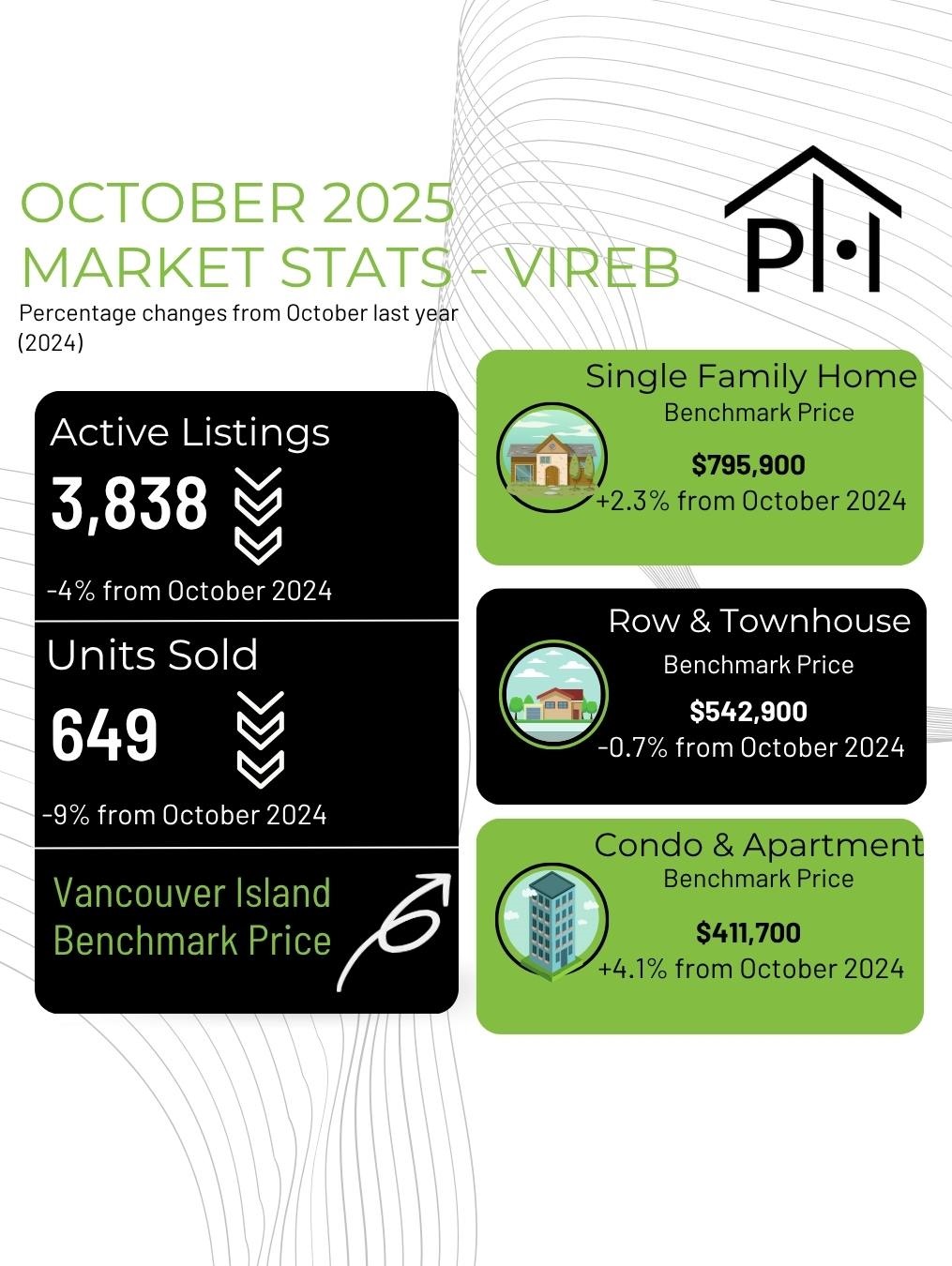 ]]>
]]>The Vancouver Island Real Estate Board (VIREB) recorded 649 unit sales (all property types) in October 2025, down nine percent from one year ago. Year-over-year active listings (all property types) were 3,838, down four percent from the previous year.
In the single-family category (excluding acreage and waterfront), 317 homes sold in October, down eight percent from one year ago and up three percent from September. Sales of condo apartments last month came in at 69, a decrease of 13 percent year over year and up by 17 percent from September. In the row/townhouse category, 78 units changed hands in October, down six percent from one year ago and one percent from September.
Active listings of single-family homes were 1,224 last month compared to 1,352 in October 2024. VIREB’s inventory of condoapartments was 362 in October, down from the 366 listings posted one year ago. There were 319 row/townhouses for sale last month compared to 299 in October 2024.
VIREB CEO Jason Yochim states that VIREB’s housing market remains balanced, with around six months of inventory. Balanced markets present excellent opportunities for buyers and sellers.
“Our local market continues to stand out for its stability and resilience, especially when compared to the Lower Mainland and Vancouver. It’s a healthy environment for both buyers and sellers, with some good opportunities on both sides,” says Yochim. “Prices are steady, and with the Bank of Canada’s recent rate cuts likely behind us for now, the environment feels more predictable and sustainable. As the federal budget is unveiled this week, we’ll be paying attention to any housing measures that could shape demand in the months ahead.”
Moving on to prices, the board-wide benchmark price (MLS® Home Price Index) of a single-family home was $795,900 in October 2025, up two percent from one year ago and a slight drop from September. In the apartment category, the benchmark price was $411,700 last month, up four percent year over year and down by one percent from September. The benchmark price of a townhouse in October was $542,900, down one percent from the prior year and one percent from September.
In Campbell River, the benchmark price of a single-family home was $704,200 last month, up one percent from October 2024. The Comox Valley’s year-over-year benchmark price rose by three percent. to $859,100. In the Cowichan Valley, the benchmark price was $803,700, up five percent from October 2024. Nanaimo’s year-over-year benchmark price increased by one percent to $813,900, while the Parksville-Qualicum area saw its benchmark price increase by three percent to $920,700. The cost of a benchmark single-family home in Port Alberni was $521,000, up four percent from the previous year. For the North Island, the benchmark price of a single-family home increased by eight percent to $464,600.
Regardless of market conditions, connecting with a local REALTOR® can help smooth the way to a successful real estate transaction. They have specialized knowledge of their communities and will help you develop a winning strategy for buying or selling a home.
(Article courtesy of the Vancouver Island Real Estate Board VIREB)
]]>The Vancouver Island Real Estate Board (VIREB) recorded 513 unit sales (all property types) in November 2025, down eight percent from one year ago. Year-over-year active listings (all property types) were 3,646, up five percent from the previous year.
In the single-family category (excluding acreage and waterfront), 259 homes sold in November, down one percent from one year ago and 18 percent from October. Sales of condo apartments last month came in at 50, a decrease of 19 percent year over year and a drop of 28 percent from October. In the row/townhouse category, 53 units changed hands in November, down 29 percent from one year ago and 32 percent from October.
Active listings of single-family homes were 1,121 last month compared to 1,105 in November 2024. VIREB’s inventory of condo apartments was 346 in November, down from the 314 listings posted one year ago. There were 310 row/townhouses for sale last month compared to 257 in November 2024. “VIREB’s housing market remains relatively stable, with sales sitting just below the ten-year average
and conditions at the high end of balanced territory,” says VIREB CEO Jason Yochim. “Although sales of single-family homes, condo apartments, and row/townhouses dipped in November, that’s typical for this time of year as buyers and sellers slow down for the holidays.”
Yochim notes that with no Bank of Canada rate cuts expected—and with cuts unlikely unless the economy weakens significantly—VIREB doesn’t foresee any major shifts in local market dynamics.
“While federal measures announced in 2025 aim to boost housing supply, they’re unlikely to influence our local market in 2026. Despite broader uncertainties, VIREB’s market proved more resilient than Vancouver and the Lower Mainland this year, and we expect that stability to continue into 2026,” adds Yochim.
Moving on to prices, the board-wide benchmark price (MLS® Home Price Index) of a single-family home was $779,200 in November 2025, up two percent from one year ago and down one percent from October. In the apartment category, the benchmark price was $421,300 last month, up seven percent year over year and two percent from October. The benchmark price of a townhouse in November was $538,800, down one percent from the prior year and two percent from October.
In Campbell River, the benchmark price of a single-family home was $670,400 last month, down three percent from November 2024. The Comox Valley’s year-over-year benchmark price rose by one per cent to $851,000. In the Cowichan Valley, the benchmark price was $766,800, up two percent from November 2024. Nanaimo’s year-over-year benchmark price dropped slightly to $801,900, while the Parksville-Qualicum area saw its benchmark price increase by five percent to $920,800. The cost of a benchmark single-family home in Port Alberni was $517,600, up four percent from the previous year. For the North Island, the benchmark price of a single-family home increased by three percent to $441,900.
(Article re-posted courtesy of the Vancouver Island Real Estate Board VIREB)
]]>The Vancouver Island Real Estate Board (VIREB) recorded 7,620 unit sales (all property types) in 2025 compared to 7,473 in 2024. There were 412 unit sales in December 2025, down six percent from one year ago. Active listings last month were 3,075, up seven percent year over year.
In the single-family category (excluding acreage and waterfront), 215 homes sold in December, down four percent from one year ago and 17 percent from November. Sales of condo apartments last month came in at 37, decreasing by 16 percent year over year and down 26 percent from November. In the row/townhouse category, 47 units changed hands in December, down 18 percent from one year ago and 11 percent from November.
Active listings of single-family homes were 837 in December, up from 829 one year ago. VIREB’s inventory of condo apartments was 319 last month, increasing from the 271 properties listed in December 2024. There were 259 row/townhouses for sale last month compared to 195 the previous year.
Despite early economic headwinds in 2025, including inflation concerns and uncertainty around global trade, VIREB’s housing market proved notably resilient, particularly when compared with conditions in Vancouver and on the Lower Mainland. While some volatility occurred, the overall economic fallout was less severe than expected, allowing the VIREB market to close the year with modest growth.
“If there’s one word that defines our 2025 housing market, it’s resilience,” says VIREB CEO Jason Yochim. “We began the year bracing for economic disruption, from global trade tensions to lingering inflation, but the impact was far less dramatic than many feared.”
Yochim adds that Vancouver Island continues to benefit from its appeal as a destination for retirees and long-term lifestyle buyers, which helps buffer the region from sharper swings seen elsewhere in B.C.
“While interest-rate cuts in 2026 are unlikely and uncertainty remains, particularly with the upcoming CUSMA review and unpredictability of U.S. politics, we’re feeling optimistic about the stability of our local market,” notes Yochim.
Moving on to prices, the board-wide benchmark price (MLS® Home Price Index) of a single-family home was $773,000 in December 2025, up one percent from one year ago. In the apartment category, the benchmark price was $405,400 last month, up three percent from the previous December. The benchmark price of a townhouse in December was $537,200, down two percent from one year ago.
In Campbell River, the benchmark price of a single-family home was $670,900 last month, a slight drop from the previous year. The Comox Valley’s year-over-year benchmark price rose by two percent to $847,200. In the Cowichan Valley, the benchmark price was $752,700, up one percent from December 2024. Nanaimo’s year-over-year benchmark price dropped by two percent to $794,700, while the Parksville-Qualicum area saw its benchmark price increase by three percent to $903,200. The cost of a benchmark single-family home in Port Alberni was $542,600, up six percent from the previous year. For the North Island, the benchmark price of a single-family home dropped by three percent to $432,100.
(Article courtesy of the Vancouver Island Real Estate Board - excluding the Victoria Board Area)
]]>The Vancouver Island Real Estate Board (VIREB) recorded 388 unit sales (all property types) in January 2026, down 10 percent from one year ago. Year-over-year active listings (all property types) were 3,157, up six percent from the previous year.
In the single-family category (excluding acreage and waterfront), 162 homes sold in January 2026, down 19 percent from one year ago and 25 percent from December 2025. Sales of condo apartments last month came in at 53, increasing by 15 percent year over year and 43 percent from December. In the row/townhouse category, 55 units changed hands in January, up 28 percent from one year ago and 17 percent from December.
Active listings of single-family homes were 895 in January, up from 888 one year ago. VIREB’s inventory of condo apartments was 310 last month, an increase from the 293 properties listed in January 2025. There were 277 row/townhouses for sale last month compared to 219 the previous year.
“The market got off to a slow start in January on the single-family side, but that was offset by strong activity in condo apartments and row/townhouses,” says Jason Yochim, VIREB Chief Executive Officer. “Looking ahead, the overall forecast suggests a year that closely resembles 2025 in terms of sales, which points to a relatively stable market.”
Yochim adds that while affordability remains a challenge everywhere, Vancouver Island continues to compare favourably with the Lower Mainland and Fraser Valley. At the same time, lengthy development timelines remain a key factor limiting the supply of new single-family homes.
“Long and complex development approval timelines can have a real impact on housing supply, and delays in bringing new projects to market ultimately put upward pressure on prices and limit choices for buyers,” Yochim says.
Moving on to prices, the board-wide benchmark price (MLS® Home Price Index) of a single-family home was $768,900 in January 2026, up one percent from one year ago and down one percent from December. In the apartment category, the benchmark price was $402,700 last month, up three percent. year over year and down one percent from December. The benchmark price of a townhouse in January was $528,800, down two percent from January 2025 and two percent from December.
In Campbell River, the benchmark price of a single-family home was $657,000 last month, down two percent from January 2025. The Comox Valley’s year-over-year benchmark price rose by two percent to $837,300. In the Cowichan Valley, the benchmark price was $751,800, up two percent from January 2025.
Nanaimo’s year-over-year benchmark price dropped by one percent to $801,700, while the Parksville-Qualicum area saw its benchmark price increase by three percent to $909,600. The cost of a benchmark single-family home in Port Alberni was $504,400, down three percent from the previous year. For th North Island, the benchmark price of a single-family home decreased by five percent to $425,300.
(Article courtesy of the Vancouver Island Real Estate Board)
]]>
The Vancouver Island Real Estate Board (VIREB) recorded 636 unit sales (all property types) in March 2026, up one per cent from one year ago. Year-over-year active listings (all property types) were 3,776, up two percent from the previous year.
In the single-family category (excluding acreage and waterfront), 302 homes sold in March 2026, up two percent from one year ago and an increase of 32 percent from February 2026. Sales of condo apartments last month came in at 72, decreasing by 15 percent year over year and up 53 percent from February. In the row/townhouse category, 71 units changed hands in March, down three percent from one year ago and up 29 percent from February.
Active listings of single-family homes were 1,193 in March, up from 1,162 one year ago. VIREB’s inventory of condo apartments was 363 last month, down from the 408 properties listed in March 2025. There were 333 row/townhouses for sale last month compared to 317 the previous year.
“Sales were slightly lower than this time last year but picked up noticeably from February, which is typical as we move toward the spring market,” said Jason Yochim, Chief Executive Officer. “While there is pent-up demand, some potential buyers are taking a cautious approach, choosing to wait until the timing feels right.”
Yochim noted that despite some hesitation among buyers, Vancouver Island’s housing market continues to show stability compared to other regions in the province.
“Our market has historically been quite stable, and we’re seeing that continue,” says Yochim. “Vancouver Island remains a highly desirable place to live, particularly for retirees, which helps support demand even during periods of uncertainty. Although buyers may be taking a bit more time, the fundamentals of our market remain strong.”
Moving on to prices, the board-wide benchmark price (MLS® Home Price Index) of a single-family home was $780,500 in March 2026, unchanged from one year ago and up one percent from February. In the apartment category, the benchmark price was $390,000 last month, down four per cent year over year and a dip of two per cent from February. The benchmark price of a townhouse in March was $537,000, down two per cent from one year ago and slightly lower than in February.
In Campbell River, the benchmark price of a single-family home was $684,900 last month, up one percent from March 2025. The Comox Valley’s year-over-year benchmark price rose by one percent to $849,700. In the Cowichan Valley, the benchmark price was $765,200, down two percent from March 2025. Nanaimo’s year-over-year benchmark price dropped slightly to $814,400, while the Parksville Qualicum area saw its benchmark price increase by three percent to $908,800. The cost of a benchmark single family home in Port Alberni was $515,700, down one percent from the previous year. For the North Island, the benchmark price of a single-family home decreased by one percent to $439,300.
(Article courtesy of the Vancouver Island Real Estate Board)
The Vancouver Island Real Estate Board (VIREB) recorded 683 unit sales (all property types) in April 2026, down 12 percent from one year ago. Year-over-year active listings (all property types) were 4,256, up four per cent from the previous year.
In the single-family category (excluding acreage and waterfront), 372 homes sold in April 2026, down six percent from one year ago and an increase of 23 percent from March 2026. Sales of condo apartments last month came in at 64, decreasing by 33 percent year over year and down 11 percent from March. In the row/townhouse category, 88 units changed hands in April, down one percent from one year ago and up 24 percent from March.
Active listings of single-family homes were 1,399 in April, up from 1,362 one year ago. VIREB’s inventory of condo apartments was 374 last month, down from the 410 properties listed in April 2025. There were 383 row/townhouses for sale last month compared to 331 the previous year. “While the spring market is a little slow getting underway this year, activity picked up in the latter half of April,” said Jason Yochim, Chief Executive Officer. “We’re seeing signs that momentum is building, and that could translate into a busier May as more buyers re-engage.”
Yochim noted that despite broader economic uncertainty, Vancouver Island’s housing market continues to demonstrate resilience, with most property types remaining in balanced market conditions.
“Vancouver Island has historically been somewhat insulated from the sharper fluctuations seen in larger urban centres,” says Yochim. “Prices have remained relatively stable, and the region continues to attract strong interest, particularly from retirees, which helps support demand even as buyers take a more measured approach.”
Yochim added that no matter the market conditions, a local REALTOR® brings on-the-ground knowledge
of their community, which can help clients make informed decisions when buying or selling a home.
Moving on to prices, the board-wide benchmark price (MLS® Home Price Index) of a single-family home was $790,300 in April 2026, up slightly from one year ago and an increase of one percent from March. In the apartment category, the benchmark price was $394,300 last month, down four per cent year over year and up one per cent from March. The benchmark price of a townhouse in April was $545,500, down one per cent from one year ago and two per cent higher than in March.
In Campbell River, the benchmark price of a single-family home was $687,800 last month, down one percent from April 2025. The Comox Valley’s year-over-year benchmark price rose by one percent to $869,800. In the Cowichan Valley, the benchmark price was $784,000, up one per cent from April 2025. Nanaimo’s year-over-year benchmark price dropped by two percent to $815,600, while the Parksville-Qualicum area saw its benchmark price increase by four percent to $923,800. The cost of a benchmark single-family home in Port Alberni was $505,800, down three percent from the previous year. For the North Island, the benchmark price of a single-family home decreased by five percent to $429,300.
(Information courtesy of the Vancouver Island Real Estate Board (VIREB))
]]>